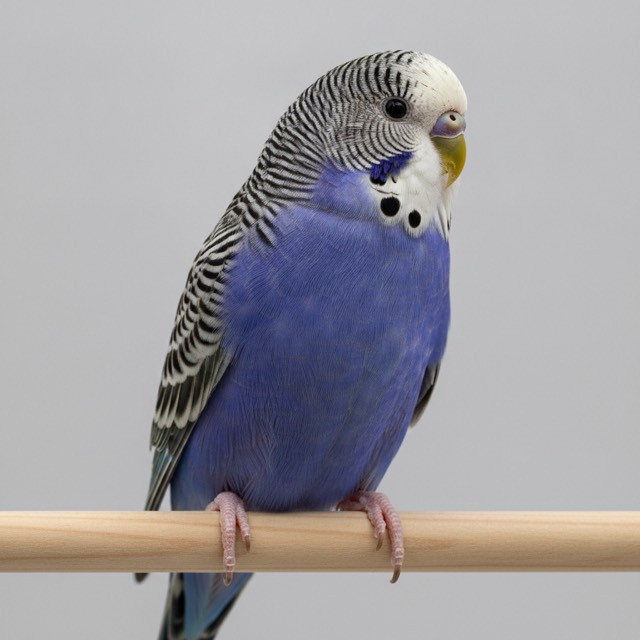
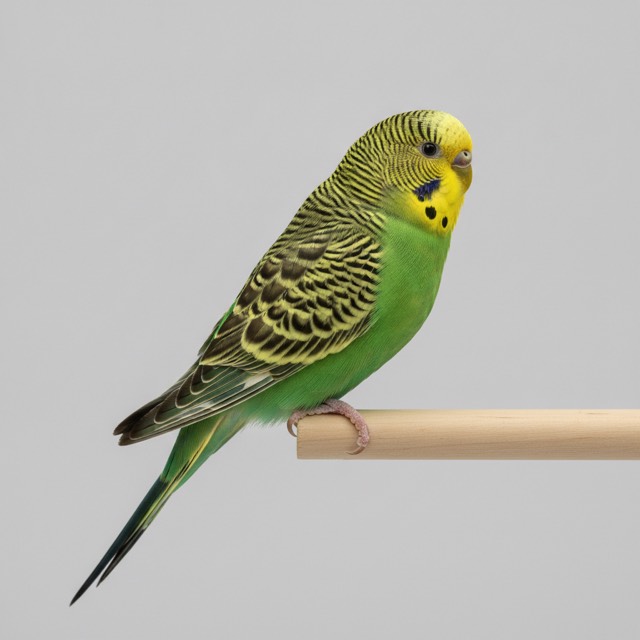
 LIKENESS
156-24
Light Green
The Foundation of Every Successful Aviary
Breeding records are the single most important tool in any bird breeder's arsenal. Without detailed records of pairs, eggs, hatch dates, weights, and lineage, you are making decisions in the dark. With them, you have a roadmap for producing healthier, better-quality birds generation after generation.
Whether you keep budgies, cockatiels, finches, parrots, or any other species, a reliable aviary record keeping system is the difference between a breeding program that improves year over year and one that stagnates or drifts backward.
Start Keeping Digital Records FreeEvery serious breeder — from hobby enthusiasts to professional aviculturists — depends on accurate records to run a responsible breeding program. A bird breeding log is not paperwork for its own sake. It is the tool that transforms guesswork into informed decisions about which birds to pair, which lines to continue, and which traits to select for.
Breeding records do more than just satisfy your own curiosity. They serve multiple critical functions that directly impact the health, quality, and long-term viability of your flock. Consider what happens when a breeder loses track of parentage across just two or three generations: inbreeding becomes invisible, genetic problems accumulate silently, and the quality of the flock declines before anyone realizes what went wrong.
Without lineage records, it's nearly impossible to know which birds share common ancestors. Accidental inbreeding leads to weakened immune systems, smaller clutches, increased chick mortality, and genetic defects that compound over generations. Even experienced breeders with excellent memories cannot reliably track relationships beyond two or three generations without written records.
Understanding which birds carry which mutations (visible or split) requires careful record keeping. Pedigree records let you predict offspring colors and plan pairings to produce the varieties you want while maintaining genetic diversity. A digital breeding record template captures split information alongside visual traits so nothing is forgotten.
Which pairs produce the most chicks? Which ones have the highest fertility rates? Records allow you to objectively compare pair performance and make data-driven decisions about which birds to breed, rest, or retire. Over multiple seasons, your breeding log reveals patterns that no amount of memory can replicate.
Buyers value birds with documented pedigrees. Complete records increase the perceived value of your birds and build trust with other breeders and buyers who want to know what they're getting. A bird with a verified three-generation pedigree consistently commands a higher price than one sold with no background information.
Many breeders start with paper notebooks, index cards, or simple spreadsheets. While there is nothing wrong with getting started that way, the limitations become painfully apparent as your program grows beyond a handful of pairs. Paper records cannot cross-reference lineage automatically. Spreadsheets break down when you need to trace a pedigree back four or five generations. And both are vulnerable to physical loss.
Digital breeding records solve every one of these problems. A purpose-built aviary record keeping system like BirdTracks stores all your data in one place, links parents to offspring automatically, calculates inbreeding coefficients on demand, and keeps everything backed up in the cloud. You spend less time on paperwork and more time with your birds.
The real flock view. Colour comes from what you recorded, so the pictures fill in as you go.
This is the actual flock screen. Birds without a photo of their own are drawn from their recorded colour, so the aviary looks like your aviary from day one.
Good breeding records capture enough detail to be useful without being so complex that you stop maintaining them. The best breeding record template covers three levels: individual birds, breeding pairs, and clutch-level egg and chick data. Here is what experienced breeders track for each aspect of their program.
The key is consistency. A simple record kept faithfully for every bird and every clutch is far more valuable than an elaborate system that you only update sporadically. BirdTracks is designed to make consistent record keeping easy by guiding you through each data point at the right time.
Every bird in your aviary should have a unique profile that follows it from hatch to sale, transfer, or death. This is the foundation of your entire record keeping system.
Pair records let you evaluate which combinations produce the best results. Over time, this data becomes your most valuable asset for planning future seasons.
Clutch-level data is where you track the day-to-day progress of each breeding attempt. Recording egg lay dates allows you to predict hatch dates, plan candling, and identify problems early.
Tracking chick weights from hatch through weaning gives you early warning of problems and helps you benchmark growth against species norms. A chick that stops gaining weight needs attention before it becomes visibly sick.
BirdTracks was built specifically for bird breeders who need a reliable, easy-to-use breeding log that works on any device. Unlike generic spreadsheets or farm management tools, every feature in BirdTracks is designed around the workflow of managing an aviary. Here is how it fits into your daily routine.
When you assign parents to a bird, BirdTracks automatically builds the full pedigree tree — grandparents, great-grandparents, and beyond. No manual tree drawing required. The pedigree view shows lineage at a glance and can be exported for buyers or club submissions.
Before you pair two birds, the system checks their lineage and alerts you to any shared ancestors. You see the exact COI percentage and where the overlap occurs. This prevents accidental inbreeding that could take years to identify through physical symptoms alone.
Find any bird by name, band number, color, cage, or status. No more flipping through pages of records to find one specific bird. Search results appear as you type, so you can locate any record in seconds even with hundreds of birds in your database.
Your records are automatically synced and backed up to secure cloud servers. Access them from your phone, tablet, or computer — and never worry about losing data to hardware failure, theft, or accidental deletion.
Update records right from the aviary using your phone. Add an egg, log a hatch, or update a bird profile while you are doing your rounds — no need to remember until later. The interface is designed for one-handed use while you hold a bird in the other.
Generate pedigree documents, export your data to CSV, or share bird profiles with potential buyers. Professional-looking records that build credibility and justify the value of well-documented, pedigreed birds.
Enter the date an egg was laid and BirdTracks calculates the expected hatch date based on species-typical incubation periods. Plan your schedule around upcoming hatches and know exactly when to start checking nests.
BirdTracks minimizes the number of taps needed to log routine events. Adding an egg to an existing clutch takes seconds. Logging a hatch automatically creates a new bird record linked to both parents and the clutch.
Depending on your location and the species you breed, there may be legal requirements for maintaining breeding records. Even where not legally mandated, thorough digital breeding records protect you in multiple ways — during inspections, permit renewals, and disputes over bird ownership or lineage.
If you breed species listed under CITES (Convention on International Trade in Endangered Species), you may be required to maintain detailed breeding records, including parentage, hatch dates, and transaction logs. Digital records make compliance much easier and provide an audit trail that authorities can review. BirdTracks generates the kind of organized, timestamped records that satisfy regulatory requirements without extra effort on your part.
Some states and municipalities require breeders to maintain records of all birds bred and sold, especially for certain native or protected species. Permit applications often require proof of captive breeding, which means you need documented parentage and hatch records. Keeping organized digital records ensures you can produce documentation quickly if asked, rather than scrambling through old notebooks.
Many breeding clubs and avicultural societies require members to maintain stud books or registry records that meet specific standards. Some clubs require documented pedigrees going back three or more generations for birds entered in shows or registered in breeding programs. Digital breeding software like BirdTracks helps you meet these requirements with minimal extra effort because pedigrees are built automatically as you enter data.
If you sell birds commercially, maintaining records of lineage, health, and transaction history protects you in the event of a dispute. Should a buyer question the genetics or health background of a bird, your breeding records serve as documentation that supports your claims. Digital records with timestamps are far more credible than handwritten notes.
While the fundamentals of good record keeping apply to all species, different types of birds have unique requirements that your aviary record keeping system should accommodate. BirdTracks is species-agnostic by design, which means it adapts to whatever you breed.
Budgie breeders often manage dozens or hundreds of birds with complex color genetics. Recording split mutations is critical for predicting offspring colors. With fast breeding cycles and multiple clutches per season, a digital breeding log keeps pace where paper quickly falls behind. Band number tracking is essential for show budgies.
Larger parrot species have longer incubation periods, slower maturation, and often require DNA sexing. Breeding records must track health history carefully since these long-lived birds may breed for decades. CITES documentation is frequently required. Recording behavioral compatibility notes helps when re-pairing birds after a mate loss.
Finch and canary breeders often focus on song quality, feather type, or color breeding. Records should capture show results, song scores, and feather condition alongside standard breeding data. With small body sizes, even minor weight changes can signal health issues, making weight tracking especially valuable.
Pigeon breeders — whether racing, show, or fancy breeds — need to track performance results alongside breeding data. Loft assignments, racing results, and breed standard evaluations all tie back to lineage records. With consistent two-egg clutches, tracking fertility and hatch success per pair is straightforward but still vital.
A good breeding record template is one you will actually use. It should capture the essential data points without overwhelming you with fields that sit empty. When you use BirdTracks, the template is already built in — each bird profile, pair record, and clutch log includes exactly the fields that experienced breeders need.
If you are transitioning from paper or spreadsheets, start by entering your current breeding birds with their basic information: band number, species, sex, and parents if known. As new clutches are laid, record them in BirdTracks from day one. Within a single breeding season, you will have a growing database that is already more useful than years of paper notes.
Create your free account. No credit card required to get started.
Enter each bird with its band number, species, sex, and known parentage. Use CSV import for large flocks.
Assign birds to pairs and record cage assignments. BirdTracks checks COI before you commit to a pairing.
Record each egg as it is laid. The system tracks expected hatch dates and alerts you when to check nests.
When chicks hatch, log the date and assign band numbers. BirdTracks automatically links each chick to both parents.
Record weights, development notes, and weaning dates. Mark outcomes for each chick — kept, sold, or transferred.
Common questions from bird breeders about record keeping, digital tools, and how BirdTracks helps manage breeding programs.
Complete breeding records should include individual bird identification (band numbers, species, sex), parentage and lineage data, pair assignments and dates, clutch details (eggs laid, fertility, hatch dates), chick weights and development milestones, health notes, and sale or transfer information. The goal is to have enough data to trace any bird back through its pedigree and evaluate the performance of every breeding pair.
Digital breeding records offer instant search, automatic pedigree building, cloud backup, COI (coefficient of inbreeding) calculations, and remote access from any device. Paper records cannot track lineage across multiple generations automatically, are vulnerable to physical damage, and become increasingly difficult to search as your flock grows. A single water spill, fire, or move can destroy decades of paper records that took thousands of hours to create.
Many jurisdictions require breeders to maintain records, especially for CITES-listed or protected species. Even where not legally required, thorough breeding records protect you during inspections, support permit applications, and satisfy breeding club or avicultural society membership requirements. Having organized, timestamped digital records makes compliance straightforward.
BirdTracks functions as a complete bird breeding log. You add birds with their identification and parentage, create breeding pairs, log clutches and eggs, and track each chick from hatch through weaning. The system automatically builds pedigrees, calculates inbreeding coefficients, and generates reports. It works on any device with a web browser — phone, tablet, or computer.
Yes. BirdTracks supports CSV import so you can bring in your existing bird data from spreadsheets or other software. Once imported, BirdTracks automatically links parent-offspring relationships and builds pedigree trees from your existing data. Most breeders can import their full flock in under an hour.
BirdTracks is species-agnostic and works for any bird breeding program. It is used by breeders of budgerigars, cockatiels, finches, canaries, lovebirds, parrots, macaws, conures, pigeons, poultry, and many other species. The flexible record system adapts to the specific needs of each species without requiring separate templates.
BirdTracks stores all data on secure, encrypted cloud servers with automatic daily backups. Your breeding records are protected against hardware failure, theft, fire, and other physical risks that threaten paper records and local spreadsheets. You can also export your complete dataset at any time, so you always maintain a personal copy of your records.
BirdTracks gives you the aviary record keeping system your birds deserve. Track every pair, every egg, every hatch, and every pedigree in one place — accessible from any device, backed up automatically, and designed by breeders for breeders.
Join thousands of bird breeders who have replaced notebooks, spreadsheets, and guesswork with digital breeding records that actually work. Sign up free and start recording your next clutch in minutes.
Join 500+ breeders who've switched from spreadsheets to BirdTracks. Start free and see the difference in minutes.
Start Free TodayFree forever for up to 10 birds — No credit card required