Finch Breeding Guide
Species, Pairing, Nesting & Chick Care
This finch breeding guide covers everything you need to know to breed finches successfully, from selecting healthy pairs and setting up the right cage to managing incubation and raising chicks. Whether you are working with zebra finches, Gouldian finches, society finches, or owl finches, you will find species-specific tips, nesting requirements, and solutions to common breeding problems. Thousands of finch breeders use BirdTracks to track pairings, clutches, and genetics across their entire flock.
Track Your Finch Breeding with BirdTracksPopular Finch Species for Breeding
Not all finch species breed equally well in captivity. Here are the most commonly bred finches and what makes each species unique for breeders. Understanding the differences between species is the first step in learning how to breed finches effectively.
Zebra Finches
Zebra finches are the most popular finch for beginners. They breed readily in captivity, are hardy, and come in dozens of color mutations including fawn, pied, black-face, orange-breast, and white. A healthy zebra finch pair can produce a clutch of 4 to 6 eggs every few weeks if allowed, so controlling breeding is just as important as encouraging it. They are excellent parents and rarely abandon their eggs or chicks.
Society Finches (Bengalese)
Society finches are a domesticated species that does not exist in the wild. They are legendary foster parents — many breeders keep society finches specifically to incubate eggs and raise chicks from other finch species. They are incredibly docile, breed freely, and tolerate colony breeding well. Their color variations include chocolate, fawn, white, and tri-colored patterns.
Gouldian Finches
Gouldian finches are among the most strikingly beautiful birds in the world, with vivid combinations of red, purple, green, yellow, and blue. They are more challenging to breed than zebra or society finches, requiring precise temperature and humidity control. Gouldians are notorious for abandoning nests, which is why many breeders use society finch foster parents. Their genetics are complex and fascinating, with head color (red, black, or orange) following specific inheritance patterns.
Owl Finches (Bicheno's Finches)
Owl finches are named for their distinctive facial markings that resemble an owl. They are moderately easy to breed, though they prefer a quieter environment than zebra finches. They lay 4 to 6 eggs per clutch and are generally attentive parents. Their striking appearance makes them popular among breeders looking for something beyond the common species.
Zebra Finch Colour Mutations
The 5 mutations you are most likely to meet, and how each one is passed on. Every bird below is an illustration of that mutation, not a photograph of a specific bird.
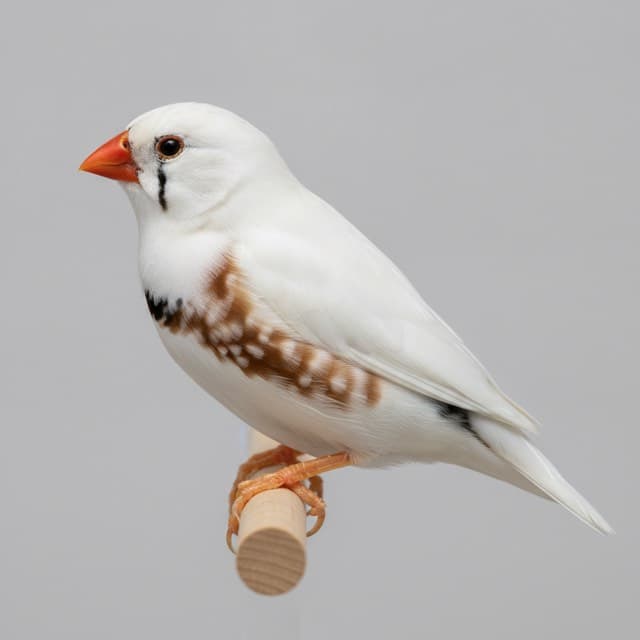
Chestnut Flanked White
Sex-linked
White body with retained flank markings
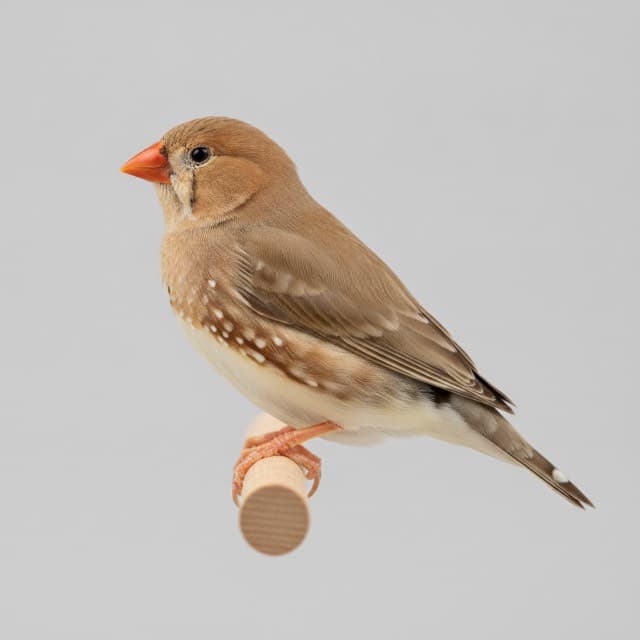
Fawn
Sex-linked
Brown replaces grey/black melanin
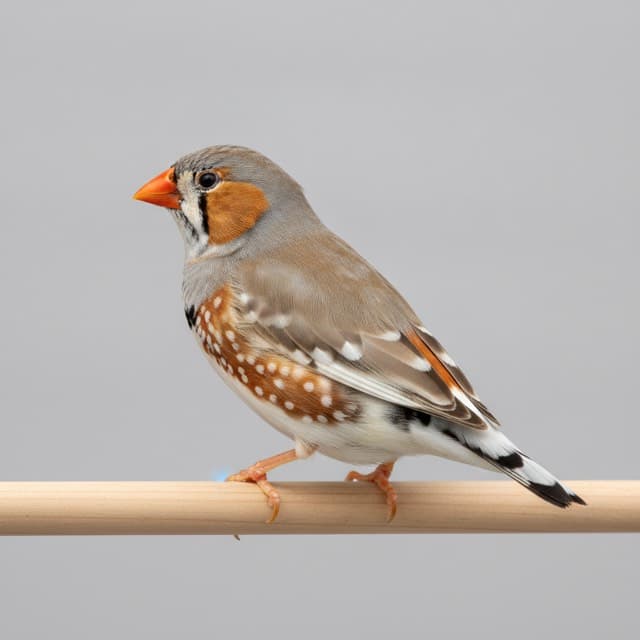
Pied
Recessive
Random patches of white feathers
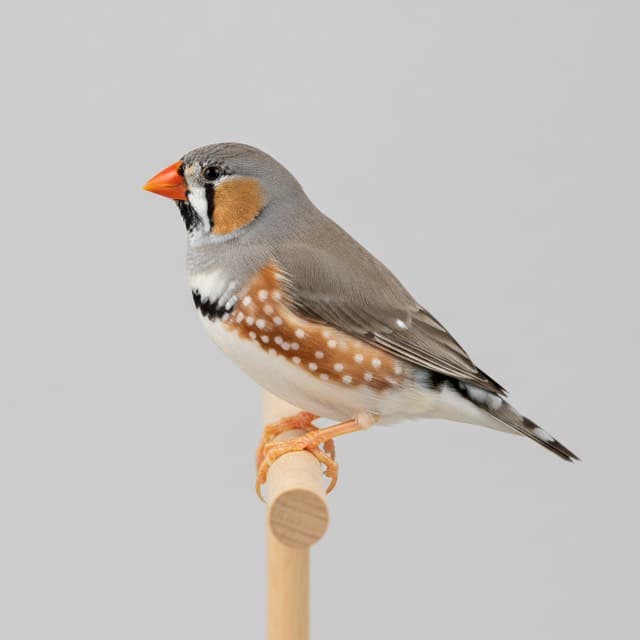
Black Cheek
Recessive
Black cheek patches instead of orange
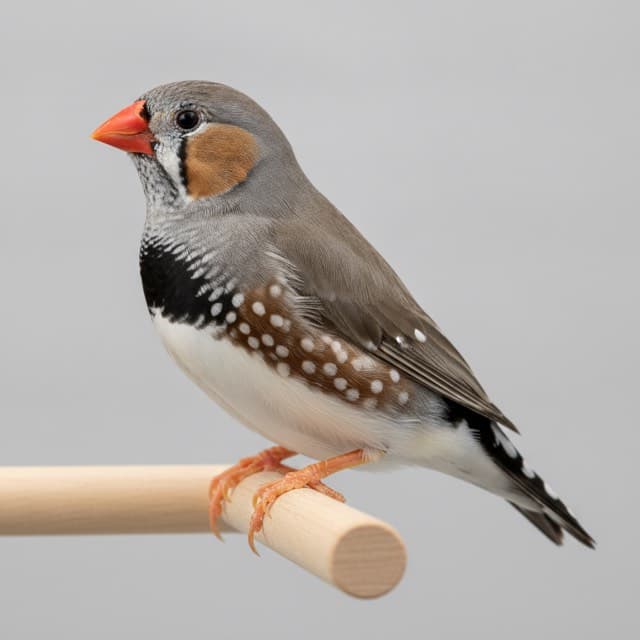
Black Breast
Dominant
Extended breast bar markings
Want to see what a pairing of two of these would throw? Try the free genetics calculator — it draws every predicted chick.
Species-Specific Finch Breeding Tips
Each finch species has unique breeding requirements and behaviors. Tailoring your approach to the specific species you work with dramatically improves success rates.
Zebra Finch Breeding
Zebra finch breeding is the easiest entry point for new finch breeders. These birds will attempt to breed in almost any conditions, which is both an advantage and a challenge. Provide a wicker basket nest or half-open nest box and supply plenty of nesting material such as coconut fiber and dried grass. Zebra finches are not picky about nest placement, but they do prefer nests positioned high in the cage.
The biggest challenge with zebra finch breeding is controlling overbreeding. A prolific pair can produce a new clutch every 3 to 4 weeks if allowed, which exhausts the hen and leads to health problems. Limit each pair to 2 to 3 clutches per year by removing the nest box after the final clutch and allowing a rest period of at least 3 months. Zebra finch mutations are extensive — if you are breeding for specific color outcomes, track each bird's known genetics and splits in BirdTracks to plan pairings that produce your target mutations.
Zebra finch eggs hatch in 12 to 14 days, and chicks fledge at around 18 to 21 days. Weaning typically occurs by day 28 to 35. Both parents share incubation and feeding duties, making them reliable and hands-off breeders. If you notice a pair consistently producing infertile eggs, swap partners — compatibility matters, and some pairs simply do not click.
Gouldian Finch Breeding
Gouldian finch breeding requires more precision than other common finch species. Temperature is critical — maintain breeding room temperatures between 75 and 80 degrees Fahrenheit with humidity around 50 to 60 percent. Gouldians prefer enclosed wooden nest boxes over open wicker baskets, and they are particular about nest box size. A box measuring approximately 5 by 5 by 8 inches with a 1.5-inch entry hole works well.
Nest abandonment is the single most frustrating issue in Gouldian finch breeding. First-time parents are especially unreliable. Many experienced breeders pair Gouldians with a society finch pair nesting at the same time, so eggs can be fostered if needed. Gouldian finch genetics are particularly rewarding to study — head color, breast color, and body color all follow distinct inheritance patterns. Red-headed is dominant over black-headed, which is dominant over orange-headed. BirdTracks lets you record visible mutations and known splits so you can predict offspring outcomes before making pairings.
Gouldian finch eggs incubate for 14 to 16 days, and chicks fledge at approximately 21 to 25 days. Gouldian chicks have luminescent mouth markings (papillae) that glow in the dark nest to guide parents to their mouths during feeding. This is a unique adaptation not found in most other finch species. Chicks raised by society finch foster parents may lack proper Gouldian song imprinting, which can affect their ability to pair with their own species later.
Society Finch Breeding
Society finches are the ultimate beginner-friendly breeding species. They will breed in almost any type of nest — wicker baskets, wooden boxes, or even improvised nests made from household materials. They are so eager to sit on eggs that they make exceptional foster parents for other species. A society finch pair can reliably incubate and raise the chicks of zebra finches, Gouldian finches, owl finches, and many other estrildid species.
Society finch clutches typically contain 5 to 8 eggs, and incubation lasts 13 to 15 days. One quirk of society finch breeding is that sexing can be difficult. Males sing and perform a hopping dance, while females are generally quiet. DNA sexing is an option if visual and behavioral cues are insufficient. Society finches tolerate colony breeding better than most species, but for accurate parentage tracking, pair breeding in individual cages is still preferable. If you are using society finches primarily as foster parents, keep several pairs cycling so you always have a pair sitting on eggs when you need them.
Owl Finch Breeding
Owl finch breeding requires a calm, quiet environment. These birds are more sensitive to disturbance than zebra or society finches, and loud noises or frequent nest checks can cause them to abandon a clutch. Provide an enclosed nest box and keep it in a location where foot traffic is minimal. Owl finches prefer softer nesting materials like fine grass and white feathers for the nest lining.
Owl finch eggs incubate for 13 to 14 days, and chicks fledge at approximately 20 to 22 days. Both parents share incubation and feeding. Owl finches can be colony-bred in a spacious aviary, but they are territorial around their chosen nest site, so provide more nests than pairs to reduce conflict. The species is not as mutation-rich as zebra or Gouldian finches, but the standard plumage is so attractive that many breeders focus on producing healthy, well-marked specimens rather than color variants.
How to Breed Finches: Selecting the Right Pairs
Choosing the right breeding pairs is the foundation of a successful finch breeding program. Knowing how to breed finches starts with understanding what makes a strong pairing.
Health and Vigor
Only breed finches that are in peak health. Look for bright eyes, smooth and tight feathering, active behavior, and a clean vent area. Birds should be eating well and maintaining a healthy weight. Finches that have been ill recently should be given at least 6 weeks of recovery before being paired for breeding. Use BirdTracks to log health notes and weight records so you can quickly identify which birds are in breeding condition.
Age Requirements
Zebra finches can technically breed as young as 3 months, but responsible breeders wait until birds are at least 9 to 12 months old. Young hens that breed too early are at higher risk for egg binding and tend to be poor parents. Society finches should also be at least 9 months old. Gouldian finches are best bred after they have completed their first full adult molt, typically around 12 to 14 months of age.
Sexing Your Finches
Accurate sexing is essential before pairing. Zebra finches are easy to sex — males have orange cheek patches and a striped chest, while females are plain gray. Society finches are much harder to sex visually; males sing and dance while females typically do not. Gouldian finch males have brighter purple chest feathers compared to females. When in doubt, observe behavior: males of most finch species will sing, bob, and dance to attract females.
Avoid Hybridization
While some finch species can interbreed and produce hybrid offspring, this is generally discouraged. Hybrids are often infertile or have reduced fertility, and they dilute the purity of breeding lines. Keep different species separated during breeding season, or breed only one species per aviary. Use BirdTracks to track each bird's species and parentage to ensure clean pairings.
Finch Breeding Cage Setup
A proper finch breeding cage setup is one of the most important factors in breeding success. The cage size, placement, and furnishings all influence whether a pair will breed reliably and raise healthy chicks.
Cage Size and Type
For pair breeding, the minimum recommended cage size is 24 inches long by 14 inches wide by 18 inches tall. However, a flight cage of 30 to 36 inches in length is ideal and gives the pair room to exercise between feeding rounds. Finches are horizontal flyers, so cage length matters more than height. Use a cage with bar spacing no wider than half an inch to prevent escapes and keep chicks safe after fledging. Breeding cabinets with stackable cages are popular among serious breeders because they maximize space and allow you to manage multiple pairs in a compact footprint.
Lighting and Placement
Finches need 12 to 14 hours of consistent light each day to trigger and maintain breeding condition. Natural daylight supplemented with full-spectrum artificial lighting works best. Place breeding cages in a quiet area of your home or bird room, away from heavy foot traffic, televisions, and loud appliances. Sudden disturbances can cause finches to abandon nests or stop feeding chicks. Maintain consistent temperatures between 65 and 80 degrees Fahrenheit. For Gouldian finches, aim for the warmer end of that range at 75 to 80 degrees.
Perches and Accessories
Provide multiple perches at different heights and positions. Natural wood perches of varying diameters are best for foot health. Avoid placing perches directly above food and water dishes to prevent contamination from droppings. Include a shallow bathing dish — finches enjoy bathing and it helps maintain feather condition during the breeding season. A cuttlebone or mineral block should be available at all times, especially for hens that need calcium for egg production. Keep food and water easily accessible near lower perches so that newly fledged chicks can find them during the critical transition to independent feeding.
Finch Nesting Requirements
Understanding finch nesting requirements is essential for productive breeding. The type of nest, placement, and materials you provide all affect whether a pair will settle and incubate successfully.
Nest Types
- Wicker basket nests — preferred by zebra and society finches
- Wooden nest boxes — preferred by Gouldian and owl finches
- Provide more nests than pairs to reduce competition
- Place nests high in the cage (finches prefer height)
- Ensure nest entry holes are appropriate for the species
- Clean nests between clutches to prevent mite infestations
Nesting Materials
- Coconut fiber — safe and widely available
- Dried grass and timothy hay — natural and soft
- White feathers for nest lining (especially for owl finches)
- Avoid cotton balls or long threads that tangle around legs
- Avoid synthetic materials that retain moisture
- Replenish nesting material regularly during nest building
Breeding Diet for Finches
A proper breeding diet is critical for finch health and chick survival. In addition to a quality finch seed mix, provide egg food (commercial or homemade from hard-boiled egg mashed with breadcrumbs), fresh greens (spinach, dandelion greens, broccoli tops), sprouted seeds, and a cuttlebone or mineral block for calcium. Increase protein-rich foods 2 to 3 weeks before breeding to bring birds into condition. During chick rearing, parents need constant access to egg food and fresh greens — they consume significantly more food when feeding nestlings.
Finch Egg Incubation Period and Timeline
Understanding the finch egg incubation period helps you monitor progress and know when to expect hatching. While timing varies slightly by species, here is the general progression from egg laying through hatching.
Egg Laying (Days 0-8)
Most finch hens lay one egg per day, typically in the morning. Zebra finches usually lay 4 to 6 eggs per clutch, while society finches may lay 5 to 8. Gouldian finches typically lay 4 to 6 eggs. Both parents usually share incubation duties, with the hen sitting at night and the pair taking turns during the day. Some pairs begin incubating after the second or third egg, which leads to staggered hatching.
Candling (Days 5-7)
Finch eggs are small and delicate, so candling requires a gentle touch. Use a small, focused LED light and hold the egg carefully between your fingers. Fertile eggs will show dark veins and an embryo. Infertile eggs appear clear or uniformly yellowish. Be extremely careful when handling finch eggs — they are much more fragile than parrot eggs. Limit nest checks to once daily at most, and keep inspections brief to avoid stressing the parents.
Incubation Period by Species
Zebra finch eggs hatch in approximately 12 to 14 days from the start of incubation. Society finch eggs take 13 to 15 days. Gouldian finch eggs require 14 to 16 days. Owl finch eggs hatch in 13 to 14 days. The incubation period is counted from when the parents begin sitting consistently, not from when the egg was laid. Use BirdTracks to log each egg's lay date and the system will calculate expected hatch dates automatically based on your species settings.
Hatching
Finch chicks are tiny at hatching — roughly the size of a bumblebee. They are blind, naked, and completely helpless. Both parents typically feed the chicks, regurgitating partially digested food into their mouths. The first 48 hours after hatching are critical; if parents are not feeding, you may hear persistent begging calls from the nest. Check that chick crops appear full (a small bulge visible through the translucent skin). Do not intervene unless chicks are clearly not being fed after several hours.
Tracking a finch clutch
Finch eggs hatch in about 14 days. With several nests running at once, the dates are the part that slips.
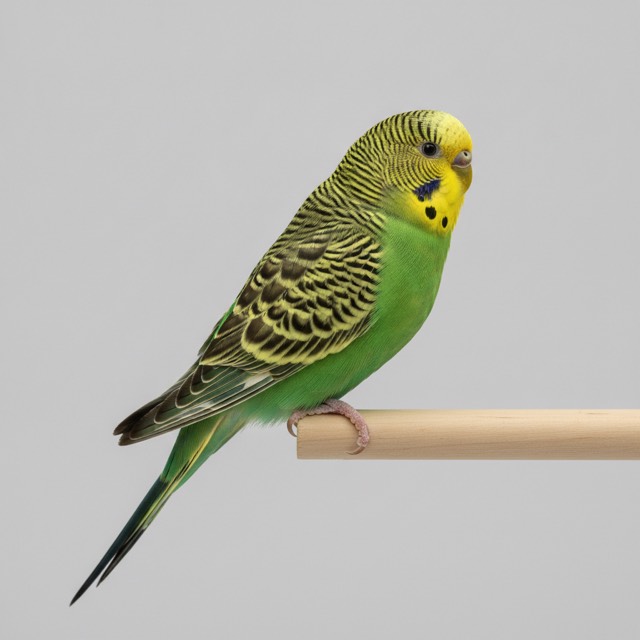
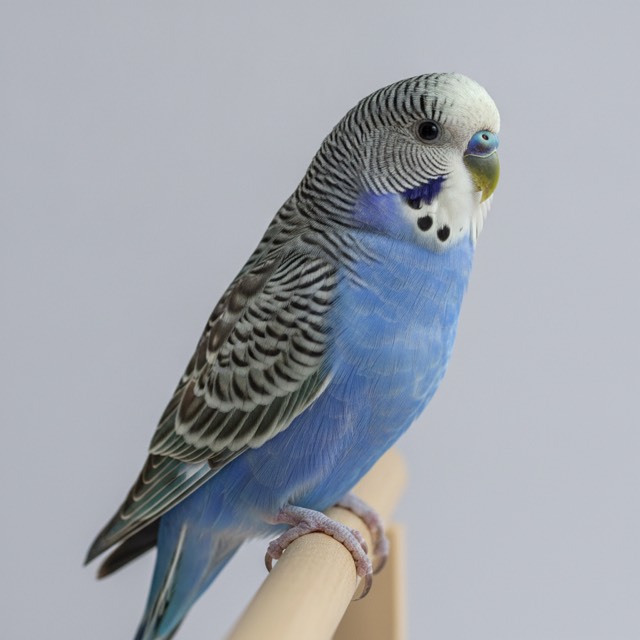
The status line is worked out from the clutch itself — eggs laid, how many were fertile, and the hatch date counted off the lay date. Nothing here is typed in twice.
Finch Chick Development & Fledging
Finch chicks develop rapidly. Knowing the milestones helps you monitor health and plan for banding and weaning.
Fostering with Society Finches
Society finches are the most reliable foster parents in the finch world. Many Gouldian finch and owl finch breeders rely heavily on society finch fosters to maximize chick survival.
When to Foster
Foster eggs to society finches when biological parents abandon the nest, when a hen dies during incubation, when Gouldian finch pairs are unreliable sitters, or when you want to get a valuable hen back into breeding condition faster. The best results come from fostering eggs rather than chicks — society finches accept foreign eggs more readily than unfamiliar chicks that are already hatched.
How to Foster Successfully
Time your society finch pairs so they are sitting on eggs at the same time as your target species. When you need to foster, swap the eggs during a moment when both parents are off the nest. Ideally, the foster eggs should be at a similar stage of development as the society finch eggs. Remove the society finch eggs (or replace with dummy eggs if the society pair has not laid yet) and place the target eggs in the nest. Society finches will almost always accept and incubate the foreign eggs. Record the foster arrangement in BirdTracks so you always know the biological parents of each chick, even when raised by a different pair.
Fostering Considerations
There is one significant drawback to fostering: chicks raised by society finches may imprint on their foster species rather than their own. This is especially relevant for Gouldian finches, where foster-raised males may attempt to court society finches instead of Gouldians. Some breeders mitigate this by housing fostered chicks with their own species immediately after weaning, so they can re-imprint on the correct songs and courtship behaviors before reaching breeding age.
Colony Breeding vs. Pair Breeding
One of the biggest decisions finch breeders face is whether to breed in colonies (multiple pairs in a large aviary) or in individual pairs (one pair per cage). Each approach has distinct advantages and trade-offs.
Colony breeding is more natural and less labor-intensive. Birds choose their own mates, and the social environment can stimulate breeding behavior. However, colony breeding makes it nearly impossible to track parentage accurately — you cannot be certain which male fathered which chicks, and hens may lay eggs in each other's nests. If you are breeding for specific mutations or tracking genetics, colony breeding creates significant record-keeping challenges.
Pair breeding in individual cages gives you complete control over pairings and guaranteed parentage. You know exactly which male and female produced each clutch, making genetic tracking reliable. The downside is that it requires more cages, more space, and more time to manage. Some species (particularly Gouldian finches) may also breed less reliably when isolated from a colony environment.
Pro Tip: Use BirdTracks for Both Methods
BirdTracks supports both colony and pair breeding setups. For pair breeding, record exact pairings and track each clutch to its parents. For colony breeding, you can still log clutches and record the mother (who is usually identifiable by which nest she sits on), even if the father is uncertain. Over time, color outcomes can help you narrow down probable sires.
Common Finch Breeding Problems & Solutions
Even experienced finch breeders encounter challenges. Recognizing common finch breeding problems early and knowing how to respond can save clutches and protect the health of your breeding birds.
Nest Abandonment
Gouldian finches are particularly prone to abandoning nests. If this happens repeatedly, consider using society finch foster parents. Place the Gouldian eggs under a society finch pair that is already sitting on eggs (remove or add to their clutch). Society finches will raise the Gouldian chicks as their own. Track foster arrangements in BirdTracks by recording the biological parents separately from the foster parents. Nest abandonment in other species is often caused by excessive disturbance, temperature fluctuations, or inadequate nesting materials.
Egg Binding
Egg binding is a life-threatening emergency in finches. Signs include a fluffed-up hen sitting on the cage floor, straining, and labored breathing. Provide immediate warmth (place the cage near a heat lamp to reach 85-90 degrees Fahrenheit) and administer liquid calcium if available. The small size of finches makes veterinary intervention difficult, so prevention through proper diet (adequate calcium and vitamin D3) is essential. Always provide a cuttlebone and ensure breeding hens receive sufficient egg food and calcium-rich greens throughout the season.
Feather Plucking of Chicks
Sometimes parent finches pluck feathers from their chicks, either from stress, a desire to re-nest, or nutritional deficiency. If you notice bald patches on chicks that should be feathered, increase protein in the parents' diet and provide more nesting material. If the plucking is severe, remove chicks to a brooder or foster parents. Removing the nest box temporarily can also reduce the urge to re-nest.
Chronic Infertility
If a pair consistently produces infertile eggs after multiple clutches, try swapping partners. Some pairs simply lack compatibility. Also check environmental factors: insufficient daylight hours (finches need 12 to 14 hours to breed), poor diet, stress from noise or other birds, and temperature extremes can all reduce fertility. For zebra finches, ensure the male is actually mating and not just displaying.
Dead-in-Shell (DIS)
Dead-in-shell occurs when embryos develop but die before hatching. Common causes include humidity that is too low (causing the membrane to dry out and trap the chick), temperature fluctuations during incubation, bacterial contamination of the egg, or genetic lethal combinations. If you are experiencing high rates of dead-in-shell, evaluate your humidity levels, ensure parents are not leaving the nest for extended periods, and review your pairing genetics. Tracking DIS rates per pair in BirdTracks helps you identify whether the problem is environmental (affecting all pairs) or genetic (affecting specific pairings).
Overbreeding and Hen Exhaustion
Zebra finches and society finches in particular will breed continuously if given the opportunity. This leads to calcium depletion, weight loss, weakened immune systems, and ultimately premature death in breeding hens. Limit each hen to 2 to 3 clutches per year. After the final clutch of the season, remove nest boxes and nesting material, and separate pairs or house birds in same-sex groups for a rest period of at least 3 to 4 months. Use BirdTracks to log clutch counts per hen and set reminders for when to end the breeding season for each pair.
Tracking Your Finch Breeding Program with Software
Finch breeding programs grow quickly — a few pairs can easily become dozens of birds within a single season. Here is how BirdTracks helps you stay organized.
Individual Bird Profiles
Track each finch with band numbers, species, mutation, sex, parentage, and photos. Search and filter your flock instantly.
Pair & Clutch Tracking
Record every pairing, clutch, and outcome. See fertility rates, hatch rates, and chick survival for each pair over time.
Hatch Date Calculator
Enter the lay date and BirdTracks calculates the expected hatch date based on your species’ incubation period.
Foster Parent Tracking
Record foster arrangements so you always know the biological parents of each chick, even when raised by society finches.
Mutation Tracking
Log visible mutations and known splits. Plan future pairings to work toward the color varieties you want to produce.
Breeding Season Dashboard
See all active nests, pending hatch dates, and recent fledglings at a glance. Manage your entire program from one screen.
Finch Breeding FAQ
Answers to the most frequently asked questions about breeding finches at home.
How old do finches need to be to breed?
Most finch species should be at least 9 to 12 months old before breeding. Zebra finches can physically breed as young as 3 months, but breeding too early increases the risk of egg binding and poor parenting. Gouldian finches should complete their first adult molt, typically around 12 to 14 months, before being paired.
How long does it take for finch eggs to hatch?
The finch egg incubation period varies by species. Zebra finch eggs hatch in 12 to 14 days, society finch eggs in 13 to 15 days, Gouldian finch eggs in 14 to 16 days, and owl finch eggs in 13 to 14 days. Incubation is counted from when parents begin sitting consistently, not from the lay date of the first egg.
What size cage do I need for breeding finches?
A breeding cage for a single finch pair should be at least 24 inches long, 14 inches wide, and 18 inches tall. Larger is always better — a flight cage of 30 to 36 inches provides ideal space. For colony breeding, allow at least 4 to 5 square feet of floor space per pair. Finches are horizontal flyers, so cage length is more important than cage height.
Why do my Gouldian finches keep abandoning their eggs?
Gouldian finches are notorious for nest abandonment. Common causes include stress from disturbances, incorrect temperature or humidity, poor diet, and inexperience in young pairs. Many breeders use society finches as foster parents to raise Gouldian chicks. Ensuring a quiet, stable environment with temperatures around 75 to 80 degrees Fahrenheit and humidity near 50 to 60 percent can help reduce abandonment.
Can different finch species breed together?
Some finch species can hybridize, but cross-species breeding is strongly discouraged. Hybrid offspring are often infertile or have reduced fertility, and hybridization dilutes the genetic purity of breeding lines. Keep different species separated during breeding season, or breed only one species per aviary or cage.
How many clutches per year should I allow my finches to have?
Responsible breeders limit finches to 2 to 3 clutches per year to protect the health of breeding hens. Continuous egg laying depletes calcium reserves and puts hens at risk for egg binding and exhaustion. After 2 to 3 clutches, remove the nest and separate the pair or house them in a same-sex group to allow rest. A breeding rest of at least 3 to 4 months is recommended between breeding cycles.
What should I feed finches during breeding season?
During breeding season, supplement a quality finch seed mix with egg food (commercial or homemade from hard-boiled egg and breadcrumbs), fresh greens like spinach and dandelion leaves, sprouted seeds, and a cuttlebone or mineral block for calcium. Begin increasing protein-rich foods 2 to 3 weeks before pairing to bring birds into breeding condition. Parents feeding chicks need constant access to soft foods and greens.
How do I tell if a finch egg is fertile?
You can candle finch eggs after 5 to 7 days of incubation using a small, focused LED light. Hold the egg gently and look for dark veins and a small embryo, which indicate fertility. Infertile eggs appear clear or uniformly yellowish with no visible development. Handle finch eggs with extreme care as they are very fragile, and limit nest checks to once daily at most.
Ready to Organize Your Finch Breeding Program?
BirdTracks is built specifically for avian breeders. Track every bird, pairing, clutch, and chick across your entire finch collection. Log mutations, record foster arrangements, monitor hatch dates, and manage your breeding season from a single dashboard. Whether you keep a few pairs of zebra finches or manage a large Gouldian finch breeding program, BirdTracks scales with you. Sign up free and start tracking your finch breeding today.
Related Guides & Tools
Bird Breeding Software
Track pairs, clutches, pedigrees, and your whole collection in one app — any species.
Aviary Management Software
Run your entire aviary — birds, breeding, records, reminders — from one dashboard.
Budgie Breeding Guide
Complete guide to breeding budgerigars from pair selection to weaning.
Bird Breeding for Beginners
Essential tips for getting started with bird breeding.
Bird Genetics Calculator
Understanding avian genetics and predicting offspring mutations.