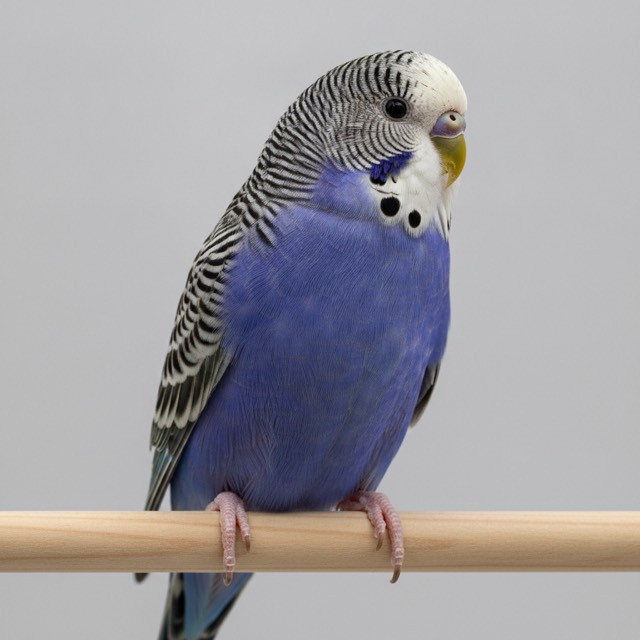
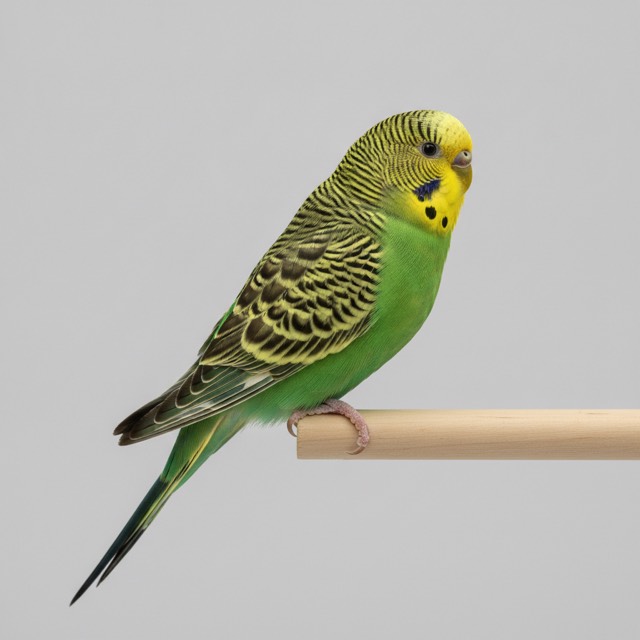
 LIKENESS
156-24
Light Green
Software for Every Breeder
Aviary management is the backbone of every successful bird breeding operation. Whether you keep a handful of finches in a backyard flight cage or run a professional aviary with hundreds of breeding pairs, staying organized is what separates thriving programs from chaotic ones. BirdTracks gives you the tools to manage birds, cages, breeding records, and health data from a single dashboard.
Try BirdTracks FreeAviary management software is a purpose-built digital tool that replaces notebooks, spreadsheets, and guesswork with a centralized system for tracking every aspect of your bird collection. At its core, an aviary management app stores detailed profiles for each bird you own, including species, mutation, sex, band number, hatch date, parentage, cage assignment, and health history. It connects those profiles to your cages, breeding pairs, clutch records, and pedigree trees so that every piece of information is linked and searchable.
Traditional record-keeping methods break down as your flock grows. A notebook works fine for five pairs, but try tracking sixty birds across twenty cages with overlapping breeding rounds and you will quickly find yourself flipping through pages and losing track of critical details. Spreadsheets are better, but they lack the relational structure needed to connect a bird to its parents, its cage, its clutch history, and its health notes in a meaningful way.
A dedicated aviary inventory system like BirdTracks solves these problems by design. Every bird profile is connected to its lineage, cage, and breeding history. When you open a cage record, you immediately see which birds are inside and whether they have an active clutch. When you view a bird, you see its full family tree, every clutch it has produced, and any health notes you have logged. This connected structure saves time, reduces errors, and gives you the situational awareness you need to make good decisions for your flock.
Good aviary management is the foundation of a successful breeding program. It ensures your birds are healthy, your pairings are intentional, and your records are accurate enough to make informed decisions about the direction of your program.
Successful aviary management runs on routine. Here are the tasks that keep your birds healthy and your program on track.
Replace seeds, pellets, fresh fruits, and vegetables. Clean and refill water dishes or bottles.
Observe each bird for alertness, appetite, droppings quality, and feather condition. Catch illness early.
Check active nests for new eggs, hatched chicks, or problems. Record any changes.
Ensure the aviary is within the appropriate temperature range with good air circulation.
Thoroughly clean cage bottoms, perches, food dishes, and nest boxes. Disinfect as needed.
Weigh birds in breeding condition. Check for mites, overgrown beaks or nails, and foot health.
Update breeding logs, note chick development milestones, and adjust pair assignments as needed.
Verify food, supplement, and bedding supplies. Reorder before you run out.
Evaluate pair performance, adjust pairings based on results, and plan for next breeding round.
Schedule worming treatments, pest control measures, and cage disinfection rotations.
Inspect and repair cages, nest boxes, lighting systems, and climate control equipment.
Back up records, review breeding statistics, update pedigrees, and document any birds sold or rehomed.
Band number and colour on every bird, so you can find one without reading a table.
This is the actual flock screen. Birds without a photo of their own are drawn from their recorded colour, so the aviary looks like your aviary from day one.
As your aviary grows beyond a handful of cages, keeping track of which bird lives where becomes a real challenge. Cage management software eliminates the guesswork by maintaining a live map of your entire aviary. Every cage has a record that shows its current occupants, breeding pair assignment, active clutch status, and history of previous birds housed there.
In BirdTracks, you create cages with custom names or numbers that match your physical layout. When you move a bird to a new cage, you update the assignment once and the change is reflected everywhere: the bird's profile, the cage record, and the breeding pair dashboard. This single-source-of-truth approach means you never have conflicting records about where a bird is located.
The health of your flock directly impacts your breeding success. Early detection of problems can mean the difference between treating one bird and losing several. A bird collection organizer with built-in health tracking helps you spot patterns that would be invisible in paper records.
With BirdTracks, every bird profile includes a notes section where you can log health observations, medications, vet visits, and behavioral changes. Over time, this builds a comprehensive medical history for each bird. When you visit the vet, you can pull up a bird's complete record on your phone instead of trying to remember details from months ago.
Breeding season is the most demanding time for any aviary manager. You are juggling pair assignments, monitoring nests across dozens of cages, tracking egg laying dates, candling eggs, recording hatches, and banding chicks -- often all within the same week. Without a system, critical tasks get missed and breeding results suffer.
An aviary management app like BirdTracks turns breeding season from a stressful scramble into an organized operation. When you log a new egg, the system automatically calculates the expected hatch date based on the species. Your breeding dashboard shows all active clutches at a glance, so you know exactly which nests need checking on any given day. After chicks hatch, you track their development and assign band numbers, building a complete record from egg to fledgling.
Planning starts well before the first egg is laid. Experienced breeders use their aviary inventory system to review the previous season's results, identify their best-performing pairs, and plan new pairings based on genetics and breeding goals. BirdTracks stores pedigree data that lets you check relatedness before pairing, helping you avoid inbreeding and work toward specific color mutations or traits.
After the season ends, the real value of your records becomes clear. You can compare hatch rates across pairs, evaluate which cage locations produced the best results, and identify birds that should be rested or retired from breeding. This data-driven approach to breeding season planning compounds year over year, steadily improving the quality and productivity of your program.
Managing an aviary without software is like running a business without accounting tools -- technically possible, but far more work than it needs to be. Here's how BirdTracks transforms the daily grind of aviary management into a smooth, organized process.
Print QR code labels for each cage and scan them with your phone to instantly see which birds are housed inside, their breeding status, and any active clutches. No more walking back and forth to check your records -- the information is right there on the cage.
Every bird in your aviary has a detailed profile: photos, band number, species, mutation, sex, hatch date, cage assignment, health notes, and complete lineage. Search, filter, and sort your entire collection in seconds. Know exactly how many birds you have, where they are, and what their status is -- all from your phone or computer.
When you log a new egg, BirdTracks automatically calculates the expected hatch date. Your breeding calendar shows all upcoming events across every pair, so you can plan your daily checks efficiently. No more forgetting to candle eggs or missing the hatch window.
Track your aviary's performance over time with built-in statistics. See hatch rates by pair, season, or year. Identify your most productive pairings and spot trends in fertility, chick survival, and color production. Data-driven management helps you continuously improve your breeding program.
One of the most time-consuming parts of aviary management is the back-and-forth between your birds and your records. You notice something during your morning rounds, but by the time you get back to your desk to write it down, three other observations have pushed it out of your mind. QR code cage scanning solves this problem by putting your records right at the cage door.
BirdTracks generates a unique QR code for each cage in your aviary. Print the labels, attach them to your cages, and scan them with your phone camera whenever you need to look up or update information. Scanning a cage label opens the cage record instantly, showing you the birds inside, their breeding pair status, any active clutch with egg counts and expected hatch dates, and recent notes. You can add a new observation or log a health note right there in the aviary, while the detail is still fresh.
Breeders who use QR code scanning report that it fundamentally changes their workflow. Instead of batching record-keeping tasks for the end of the day (and inevitably forgetting some), they log information in real time as they move through the aviary. The result is more accurate, more complete records with less effort.
Many breeders start with a single pair and a spark of curiosity. Before long, they have ten cages, thirty birds, and a breeding program that has outgrown their ability to manage it by memory alone. The transition from hobby keeper to serious breeder is where an aviary inventory system becomes essential rather than optional.
At this stage, you can probably keep track of everything in your head. But even here, building good habits pays off. BirdTracks is free for up to 10 birds, so there is no reason not to start recording data from day one. The records you create now become invaluable as your collection grows.
This is where most breeders hit the organizational wall. You have multiple breeding pairs producing chicks simultaneously, and the details start blending together. Which hen laid that egg? When was cage 14 last cleaned? Is this pair related? An aviary management app answers these questions instantly and prevents the mistakes that cost time, money, and bird welfare.
At scale, software is not a convenience -- it is infrastructure. Professional breeders rely on their aviary management software for everything from daily cage assignments to annual breeding program reviews. The analytics features become critical for evaluating pair performance, managing genetic diversity, and making strategic decisions about which birds to keep, sell, or retire. BirdTracks scales with you, supporting unlimited birds on paid plans.
Aviary management software is a digital tool designed to help bird breeders and keepers organize their entire operation. It tracks individual birds, cage assignments, breeding pairs, clutch records, health notes, and pedigrees in one centralized system. BirdTracks is a web-based aviary management app that works on any device with a browser.
BirdTracks offers a free tier for up to 10 birds, which is ideal for hobbyists just getting started. Paid plans support unlimited birds, making BirdTracks suitable for professional aviaries managing hundreds or even thousands of birds. There are no limits on the number of cages, breeding pairs, or clutch records you can create.
Yes. BirdTracks is a web-based application that works on any device with a browser, including smartphones and tablets. Many breeders use it directly in the aviary by scanning QR codes on cages with their phone to pull up bird details, log health notes, and update breeding records in real time.
Yes. BirdTracks lets you generate and print QR code labels for every cage in your aviary. Scan a label with your phone camera to instantly view which birds are housed in that cage, their breeding status, active clutches, and health notes. This feature saves significant time during daily rounds.
Aviary management software tracks breeding pairs, logs eggs and clutches, calculates expected hatch dates, records chick development, and maintains full pedigree data. BirdTracks also provides breeding statistics so you can evaluate pair performance, compare seasons, and make data-driven decisions about future pairings.
Yes. BirdTracks stores your data securely in the cloud with encrypted connections and regular backups. Your data is accessible only to you, and you can export it at any time. Cloud storage also means you never lose years of records to a damaged notebook, corrupted spreadsheet, or crashed hard drive.
Absolutely. BirdTracks allows you to add health notes to any bird profile, recording medications, vet visits, weight changes, behavioral observations, and treatment outcomes. Having a complete health history for each bird helps you and your avian vet make better care decisions and spot flock-wide health trends early.
Join hundreds of breeders who have replaced cluttered notebooks and messy spreadsheets with BirdTracks. Whether you keep five birds or five hundred, BirdTracks gives you the aviary management tools you need to stay organized, breed smarter, and grow your program with confidence.
Start for free with up to 10 birds. No credit card required. Set up your first cage and add your birds in minutes.
Start Managing Your Aviary for FreeJoin 500+ breeders who've switched from spreadsheets to BirdTracks. Start free and see the difference in minutes.
Start Free TodayFree forever for up to 10 birds — No credit card required