Lovebird Breeding Guide
Pairing, Nesting, Mutations & Chick Care
This lovebird breeding guide covers everything you need to know about how to breed lovebirds successfully. From choosing the right species and understanding lovebird breeding age to setting up nesting boxes, managing egg incubation, predicting mutation outcomes, and raising healthy chicks, this resource will walk you through every stage of the breeding process. Whether you are working with peach-faced lovebirds, Fischer's lovebirds, or masked lovebirds, the principles in this guide apply across all commonly bred species.
Track Your Lovebird Breeding with BirdTracksLovebird Species for Breeding: Peach-Faced, Fischer's & Masked
There are nine species of lovebirds in the genus Agapornis, but three dominate captive breeding programs worldwide. Each species has distinct characteristics, mutation availability, and temperament differences that affect your breeding approach. Choosing the right species is the first decision every lovebird breeder must make.
Peach-Faced Lovebird Breeding (Agapornis roseicollis)
The peach-faced lovebird is by far the most commonly bred species and the best choice for anyone new to lovebird breeding. They are hardy, breed readily in captivity, and have the most extensive range of color mutations of any lovebird species. Wild-type peach-faced lovebirds are green with a peach-colored face and blue rump.
Established mutations include lutino, Dutch blue (aqua), turquoise, violet, cinnamon, pallid, orangeface, opaline, and many more. The sheer variety of available mutations makes peach-faced lovebird breeding especially appealing to breeders interested in color genetics and producing visually striking combination mutations. Peach-faced lovebirds are also unique in how they transport nesting material — hens tuck strips of material into their rump feathers rather than carrying them in their beaks, a behavior not seen in other lovebird species.
Fischer's Lovebird (Agapornis fischeri)
Fischer's lovebirds are slightly smaller than peach-faced and have a distinctive orange face that fades to yellow on the chest, with a green body and blue rump. They belong to the white eye-ring group along with masked, black-cheeked, and Nyasa lovebirds. Fischer's are social birds that do well in colony breeding setups where multiple pairs share a large flight aviary.
Fischer's have fewer mutations than peach-faced lovebirds, but blue, lutino, dilute, and pied varieties are well established. They tend to be slightly noisier than peach-faced lovebirds and prefer larger flight cages for breeding. Fischer's lovebirds carry nesting material in their beaks and build more structured nests than peach-faced lovebirds. They are generally excellent parents and often raise full clutches without intervention.
Masked Lovebird (Agapornis personatus)
Masked lovebirds have a striking black head with a yellow collar and green body. The blue mutation (often called the blue masked lovebird) replaces the yellow with white and the green with blue, creating a dramatic contrast with the dark head. This blue mutation is one of the most visually impressive color varieties in any lovebird species.
Masked lovebirds breed well in captivity and are generally good parents. Like Fischer's, they carry nesting material in their beaks and belong to the white eye-ring group. They should not be hybridized with Fischer's lovebirds, despite being closely related, as hybrids are often infertile and the practice dilutes both species. Masked lovebirds are slightly calmer in temperament than Fischer's and can be an excellent choice for breeders who want a quieter aviary.
Important: Do Not Cross Species
Never breed different lovebird species together. Peach-faced lovebirds belong to a different species group than Fischer's and masked lovebirds, and cross-species pairings produce infertile offspring. Even Fischer's and masked lovebirds, which can interbreed, should be kept separate to maintain species purity and avoid sterile hybrids. Responsible breeders always keep species separate and label every bird with its correct species identification. BirdTracks lets you record species on each bird profile so you never accidentally cross-pair.
Sexing Lovebirds: DNA Testing vs. Surgical Sexing
Accurate sexing is the foundation of any successful lovebird breeding program. All three commonly bred lovebird species are monomorphic, meaning males and females look identical. Relying on behavioral cues or pelvic bone width is unreliable. There are two proven methods for determining the sex of your lovebirds.
DNA Sexing
DNA sexing is the gold standard for lovebirds. It is non-invasive, inexpensive (typically under $20 per bird), and highly accurate. You send a blood sample or freshly plucked feather (with the blood quill attached) to a laboratory, and results come back within a few days to two weeks depending on the service.
Many breeders DNA-sex every chick before it leaves the nest, recording the result directly in their breeding records. BirdTracks stores DNA sex results on each bird profile so you always know which birds are confirmed males or females.
Surgical Sexing
Surgical sexing (endoscopic sexing) involves placing the bird under anesthesia while an avian veterinarian inserts a small endoscope to visually examine the gonads. This method was the standard before DNA testing became available and is still used in some situations, such as when a vet wants to assess reproductive health at the same time.
However, surgical sexing carries anesthesia risks, is significantly more expensive than DNA testing, and requires an experienced avian vet. For the vast majority of lovebird breeders, DNA sexing is the preferred choice. Reserve surgical sexing for cases where a veterinary exam is already needed for other health reasons.
How to Breed Lovebirds: Selecting & Bonding Pairs
Learning how to breed lovebirds starts with understanding pair selection. Lovebirds are aptly named — they form strong, monogamous pair bonds. Successful breeding depends on compatible, healthy, bonded pairs that are the right age and in peak condition.
Health Standards
Both birds must be in excellent health before breeding. Look for bright eyes, tight feathering, active behavior, and a clean vent. Lovebirds should be well-muscled (check the keel bone — it should have flesh on either side, not be sharply prominent). Birds recovering from illness should rest for at least 6 to 8 weeks before being paired. Consider a pre-breeding veterinary checkup that includes a fecal gram stain to rule out bacterial or yeast infections that could be passed to chicks.
Lovebird Breeding Age
Lovebird breeding age is a critical factor that many beginners overlook. Lovebirds should be at least 10 to 12 months old before breeding. While they may show breeding behavior as early as 6 months, young hens face a significantly higher risk of egg binding and tend to be less reliable parents. Males should also be mature — young males may not feed the hen adequately during incubation. Lovebirds can breed productively until about 5 to 6 years of age, though some experienced hens continue producing well beyond that. After age 6, fertility gradually declines and hatchability tends to decrease.
Confirming Sex Before Pairing
Never assume sex based on behavior — both male and female lovebirds can exhibit nesting behavior, and hens sometimes mount other hens. Always DNA-sex your birds before pairing. One of the most common mistakes in lovebird breeding is accidentally pairing two hens, which results in large clutches of entirely infertile eggs. Recording confirmed sex results in BirdTracks eliminates this costly error from your program.
The Bonding Process
Lovebirds need time to bond before they will breed successfully. Place a new pair in adjacent cages where they can see and hear each other for 1 to 2 weeks before housing them together. Watch for mutual preening, feeding each other through the cage bars, and sitting close together as signs of bonding. Some pairs bond instantly; others take weeks. If birds fight aggressively after being housed together, separate them and try again later or consider a different pairing. Forced pairings rarely produce good breeding results and can lead to serious injury, particularly if a dominant hen attacks a submissive male.
Lovebird Nesting Box Setup & Breeding Environment
The lovebird nesting box and the surrounding environment play a major role in triggering breeding behavior and ensuring successful incubation. Lovebirds have unique nesting habits that set them apart from other parrots — getting the setup right is essential.
Breeding Cage
- Minimum size: 24" x 18" x 18" for one pair
- Larger is always better — lovebirds are active birds
- Quiet location with consistent 12-14 hours of light
- Stable temperature between 68-80°F (20-27°C)
- Good ventilation without direct drafts
- Perches at various heights with one near the nest box
- Remove mirrors and toys that could distract from nesting
Lovebird Nesting Box & Material
- Wooden nest box: approximately 10" x 7" x 7"
- Entry hole: 2.5" to 3" diameter
- Mount the box high in the cage for security
- Provide abundant nesting material (palm fronds, willow strips)
- Peach-faced hens tuck nesting material in their rump feathers
- Fischer's and masked carry material in their beaks
- Removable lid for nest inspection and cleaning
Breeding Diet for Lovebirds
Lovebirds need an enriched diet during breeding. Supplement their regular seed or pellet mix with egg food, sprouted seeds, fresh vegetables (broccoli, carrot, corn, leafy greens), and fruit. Cuttlebone and mineral blocks are essential for calcium — the single most important mineral for breeding hens. Start the breeding diet 2 to 3 weeks before introducing the nest box to bring the birds into condition.
During chick rearing, provide egg food and fresh vegetables twice daily — parents consume dramatically more food when feeding chicks. Sprouted sunflower seeds and mung beans are particularly valuable as they are high in protein and easy for parents to regurgitate to young chicks. Fresh water must be available at all times, and water dishes should be cleaned daily to prevent bacterial growth.
Lovebird Egg Incubation Timeline
Understanding the lovebird egg incubation timeline helps you monitor progress and know when to expect each milestone. Tracking egg dates is one of the most important aspects of organized breeding management.
Egg Laying
Lovebird hens typically lay one egg every other day. A normal clutch is 4 to 6 eggs, though first-time hens may lay fewer. The hen usually begins consistent incubation after the second or third egg. She spends most of her time in the nest box, leaving only briefly to eat and drink. The male feeds the hen at the nest entrance and may occasionally enter the box, but the hen does virtually all of the incubating. Some hens are very dedicated sitters from the first egg, while others take a more relaxed approach until the clutch is nearly complete.
Lovebird Egg Incubation (21-24 Days)
Lovebird eggs take approximately 21 to 24 days to hatch from the start of incubation. This is longer than many other small parrots such as budgies, which incubate for only 18 days. Because the hen starts incubating before all eggs are laid, chicks hatch in a staggered pattern over several days. The first-hatched chick will be noticeably larger than later siblings.
Humidity is important during lovebird egg incubation. In dry climates, some breeders lightly mist the nest box or place a shallow water dish near the cage to maintain ambient humidity. The hen also regulates humidity by bathing and returning to the nest with damp feathers. Log each egg's lay date in BirdTracks to get individual expected hatch dates calculated automatically.
Candling (Days 7-10)
Candle lovebird eggs at 7 to 10 days of incubation. Fertile eggs will show a visible network of blood vessels and a dark embryo. Infertile eggs appear clear or have a uniform yellow color. Wait for a second candling at day 14 before removing any eggs — some eggs that appear questionable at day 7 turn out to be fertile. Limit nest disturbance as much as possible, especially with first-time parents who may be easily spooked. Candle eggs quickly and gently, ideally when the hen leaves the nest to eat rather than forcibly removing her.
Hatching & Early Chick Care
Lovebird chicks hatch with a light covering of down — they are not as naked as budgie or finch chicks. Newly hatched chicks are fed by the hen, who regurgitates food provided by the male. Check chick crops daily to ensure they are being fed (a rounded, full crop is visible through the translucent skin). If a chick is not being fed within 8 to 12 hours of hatching, you may need to supplement with hand-feeding formula and a syringe. The first 48 hours after hatching are the most critical — chicks that receive adequate feeding during this window have the highest survival rates.
Tracking a lovebird clutch
Lovebird eggs hatch in 21–24 days. Record the lay date and BirdTracks counts the rest off it — the candling window, the expected hatch, and which eggs were fertile.
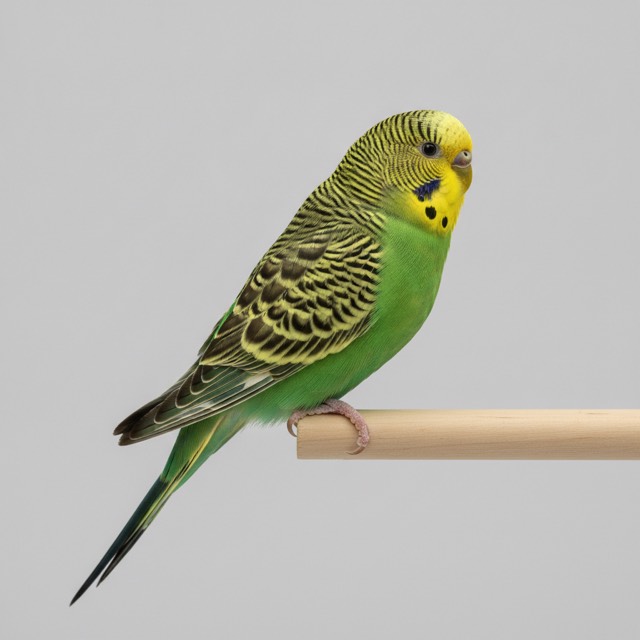
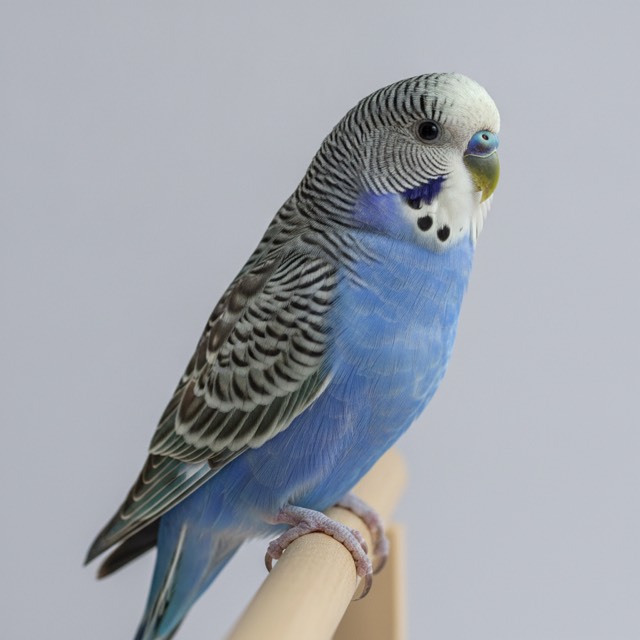
The status line is worked out from the clutch itself — eggs laid, how many were fertile, and the hatch date counted off the lay date. Nothing here is typed in twice.
Lovebird Chick Development & Weaning
Lovebird chicks develop over approximately 6 to 7 weeks before they are ready to fledge and eventually wean. Monitoring chick development closely allows you to catch problems early and record key milestones.
Weaning Lovebird Chicks
Lovebird chicks take longer to wean than budgies or finches — typically 7 to 8 weeks of age or even later. Never rush the weaning process. A chick is ready to wean only when it consistently eats on its own for several consecutive days. Offer a variety of foods at accessible heights: millet spray, small seeds, softened pellets, and finely chopped vegetables. Weigh chicks daily during weaning. A weight loss exceeding 10% signals the chick is not eating enough and may need continued parental support. BirdTracks lets you log daily weights on each chick so you can spot trends before they become emergencies.
Hand-Raising Lovebird Chicks
Hand-raising produces exceptionally tame lovebirds that bond strongly with their owners. However, it requires commitment, proper technique, and careful attention to feeding schedules and hygiene. Here is what you need to know before pulling chicks for hand-raising.
When to Pull Chicks
Most breeders pull chicks for hand-raising at 10 to 14 days of age. At this stage, the parents have provided the critical early feedings that establish gut bacteria and immune function. Chicks pulled earlier than 7 days require round-the-clock feedings every 1 to 2 hours and have a lower survival rate. Some breeders prefer to co-parent, allowing the parents to do the primary feeding while handling the chicks daily for socialization, then pulling them at 3 to 4 weeks for the final hand-feeding and weaning stage.
Brooder Setup & Temperature
Young chicks need a brooder maintained at 95 to 98 degrees Fahrenheit for the first week after pulling, gradually decreasing to room temperature as they feather out. Use a commercial brooder or a small aquarium with a heat pad set to the correct temperature. Keep the brooder lined with paper towels — avoid substrates like wood shavings that chicks might ingest. Maintain humidity around 50 to 60 percent to prevent dehydration.
Hand-Feeding Formula & Schedule
Use a commercial hand-feeding formula designed for parrots — never substitute with human baby food or homemade mixtures. Mix the formula to the consistency recommended on the packaging (typically similar to thin pudding) and serve at 104 to 108 degrees Fahrenheit. Feed with a small syringe or bent spoon. At 2 weeks old, chicks need 4 to 5 feedings per day. By 4 weeks, reduce to 3 feedings. At 5 to 6 weeks, feed twice daily and begin introducing solid foods. Always allow the crop to empty completely between feedings to prevent sour crop, a bacterial infection caused by stagnant food.
Lovebird Mutations Breeding & Color Genetics
One of the biggest draws of lovebird breeding is the incredible range of color mutations, especially in peach-faced lovebirds. Understanding lovebird mutation genetics helps you plan pairings that produce the specific varieties you want and predict what percentage of offspring will show each color.
Understanding Lovebird Mutation Genetics
Lovebird mutations follow the same inheritance patterns found in other parrot species. Peach-faced lovebird mutations fall into several genetic categories, and understanding these categories is essential for planning your pairings.
Autosomal Recessive Mutations
The blue series (including aqua and turquoise) is autosomal recessive, meaning both parents must carry at least one copy of the gene to produce visual blue offspring. When two split-blue birds are paired, you can expect roughly 25% visual blue, 50% split blue, and 25% wild-type offspring. Pallid (also called pale-headed) and orangeface follow the same autosomal recessive pattern. To guarantee all visual offspring of a specific recessive mutation, pair two visual birds together.
Sex-Linked Recessive Mutations
Lutino and cinnamon are sex-linked recessive mutations in peach-faced lovebirds. In avian genetics, hens have only one copy of the sex chromosome where these genes reside, so a hen needs only one copy to show the mutation visually. Males need two copies. This means a split lutino male paired with a normal hen can produce lutino daughters but never lutino sons (the sons will be split). Understanding sex-linked inheritance is particularly valuable for breeders targeting lutino or cinnamon varieties, and BirdTracks records splits so you always know which birds carry hidden genes.
Dominant & Incomplete Dominant Mutations
The violet factor and dark factor are dominant or incomplete dominant mutations. The violet factor can be single-factor or double-factor, each producing different visual results — single-factor violet on a blue base creates the stunning violet lovebird. Dark factors create dark green (one dark factor on green), olive (two dark factors on green), cobalt (one dark factor on blue), and mauve (two dark factors on blue) varieties. Because these are dominant, only one parent needs to carry the gene to produce visual offspring.
Popular Mutations
- Dutch Blue (Aqua) — soft blue-green body with white face
- Turquoise — similar to blue with a slightly different shade
- Lutino — bright yellow body with red face, red eyes
- Cinnamon — warm brown tones replacing normal green
- Violet — stunning purple tones, especially in blue series
- Pied — random patches of color and dilute feathering
- Orangeface — orange face instead of the standard peach
- Opaline — redistributed melanin creating unique patterns
Combination Mutations
The real magic in lovebird mutations breeding comes from combining multiple mutations. Some stunning examples include:
- Violet Aqua — blue body with intense violet sheen
- Cinnamon Turquoise — soft muted turquoise tones
- Lutino Orangeface — bright orange and yellow
- Opaline Violet — dramatic color redistribution with violet
- Double Dark Aqua (Mauve) — deep slate-blue coloring
- Cinnamon Lutino (Lacewing) — pale yellow with faint markings
Track Splits and Plan Pairings
Keeping accurate lovebird pedigrees and records of each bird's visual mutation and confirmed splits is essential for producing the colors you want. BirdTracks stores mutation and split data on every bird profile and makes it easy to plan pairings by reviewing the genetic background of potential mates. Stop guessing and start breeding with purpose.
Lovebird Colour Mutations
The 6 mutations you are most likely to meet, and how each one is passed on. Every bird below is an illustration of that mutation, not a photograph of a specific bird.
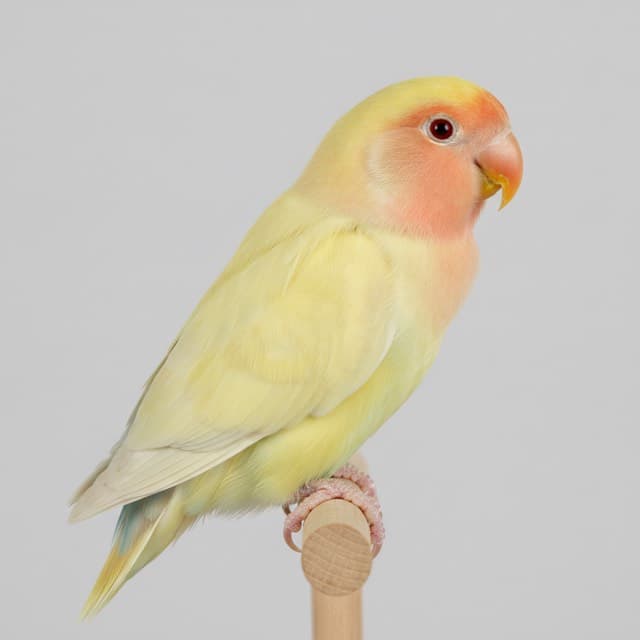
Ino
Sex-linked
Lutino (green series) or Albino (blue series)
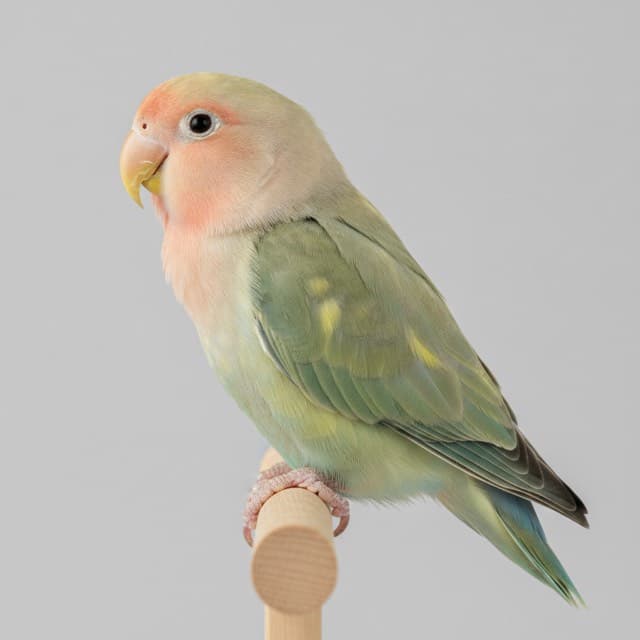
Opaline
Sex-linked
Head color extends onto the body, reduced back markings
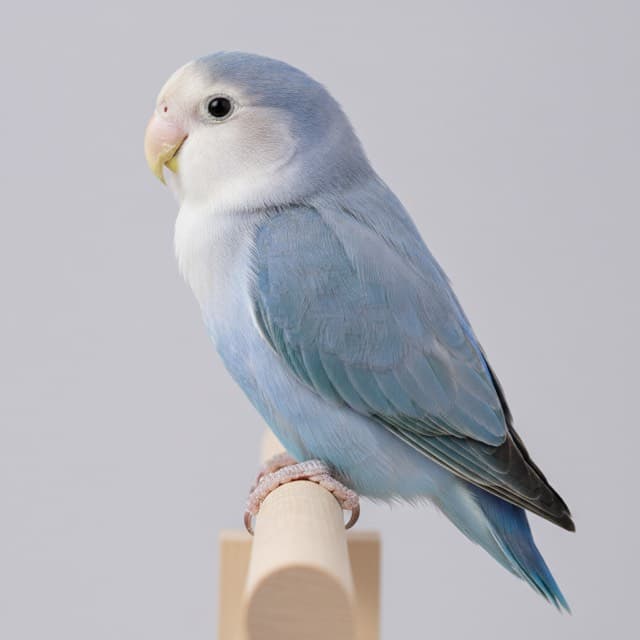
Blue
Recessive
Removes psittacin, green becomes blue/white
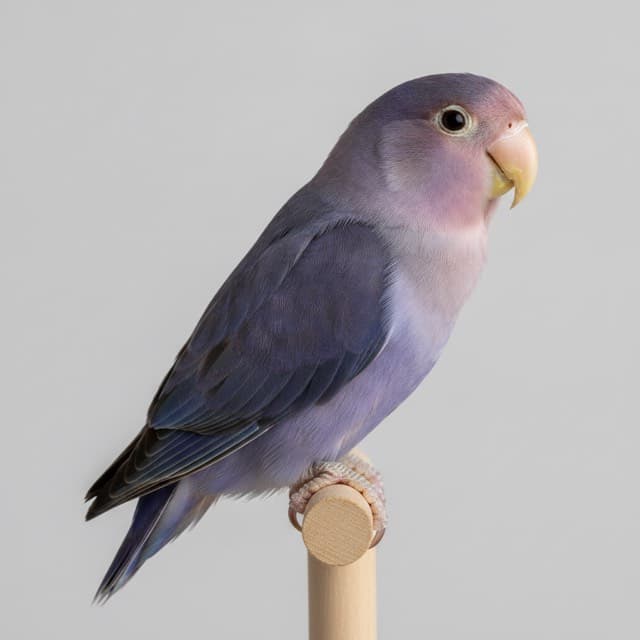
Violet
Dominant
Violet factor modifying blue to violet
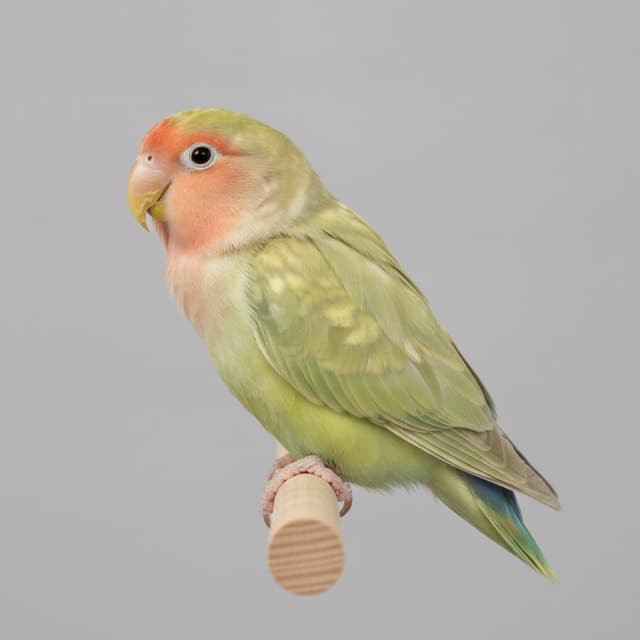
Pied
Recessive
Random patches of clear feathers
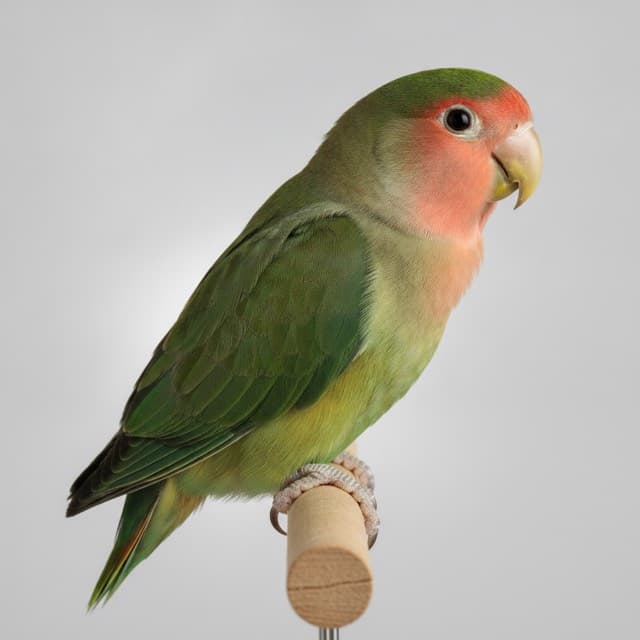
Dark Factor
Incomplete dominant
Darkens body color — D Green/D Blue, DD Olive/Mauve
Want to see what a pairing of two of these would throw? Try the free genetics calculator — it draws every predicted chick.
Common Lovebird Breeding Problems
Lovebirds are generally reliable breeders, but every breeder encounters challenges. Recognizing problems early and knowing how to respond can save chicks and protect the health of your breeding birds. Here are the most common lovebird breeding problems and how to handle them.
Infertile Eggs
Infertile eggs are the most common frustration for lovebird breeders. Causes include the pair being too young, the male not mating successfully (sometimes due to overgrown toenails preventing a secure grip), nutritional deficiencies, or same-sex pairings. If a pair produces two consecutive clutches of infertile eggs, verify the sex of both birds with DNA testing, trim the male's nails, and review the diet. Some pairs need a longer bonding period before they will mate successfully.
Aggression Between Pairs
Lovebirds can be territorial during breeding. If you have multiple pairs in the same room, ensure cages are spaced apart and visual barriers prevent direct eye contact between pairs. In colony breeding setups, always provide more nest boxes than pairs (at least double the number), and ensure the aviary is large enough for birds to establish their own territories. Remove any pair that consistently fights. Hens can be particularly aggressive and may injure or kill a male that they have not bonded with — never force a pairing.
Egg Binding
Egg binding is a serious risk in lovebirds, especially young or calcium-deficient hens. Signs include a fluffed-up hen on the cage floor, straining, and difficulty breathing. Provide immediate warmth and humidity. Administer liquid calcium if available. If the egg does not pass within a few hours, seek an avian veterinarian immediately — egg binding can be fatal if untreated. Prevention through adequate calcium, vitamin D3, proper lovebird breeding age at first breeding, and rest periods between clutches is always preferable to emergency treatment.
Chronic Egg Laying
Some lovebird hens lay clutch after clutch without stopping, even when eggs are infertile or removed. This depletes calcium reserves and can be life-threatening. To stop chronic laying, remove the nest box, reduce daylight hours to 10, remove nesting material, and rearrange the cage to disrupt the breeding mindset. Allow hens to rest at least 2 to 3 months between clutches to recover. If a hen continues to lay despite these changes, consult an avian veterinarian about hormonal intervention.
Two Hens Paired Together
Because peach-faced lovebirds cannot be visually sexed, it is common for breeders to accidentally pair two hens together. The telltale sign is an unusually large clutch (8 to 12 eggs) with all eggs being infertile. Two hens will both lay eggs in the same nest. If you suspect a same-sex pair, DNA test both birds before trying other troubleshooting.
Dead-in-Shell (DIS)
Dead-in-shell occurs when embryos develop but die before hatching. Common causes include insufficient humidity during incubation, temperature fluctuations, bacterial contamination of the egg, or genetic lethal factors (particularly with certain double-factor mutations). If you experience repeated DIS, review your humidity levels, ensure the nest box is clean, and check whether the pair shares genetic factors that may be causing lethal combinations. Tracking hatch success rates per pair in BirdTracks helps you identify problem pairings early.
Managing Your Lovebird Program with BirdTracks
A growing lovebird program with multiple pairs and color projects needs organized tracking. Spreadsheets break down quickly when you are juggling active clutches, tracking splits across generations, and planning future pairings. Here is how BirdTracks keeps everything in order.
Complete Bird Profiles
Record each lovebird’s band number, species, sex (with DNA test results), mutation, splits, photos, and complete lineage going back multiple generations.
Pair Compatibility Tracking
Track pair bonds, breeding history, fertility rates, and parenting quality. Know which pairs are your best producers and which need to be re-paired.
Clutch & Hatch Tracking
Log each egg with its lay date. BirdTracks calculates the 21-24 day expected hatch date automatically and alerts you when hatching is imminent.
Mutation & Split Records
Track visual mutations and confirmed splits on every bird. Plan pairings to achieve specific color combinations based on genetic data.
COI Calculator
Check relatedness before pairing. Especially important in lovebird programs where popular mutations concentrate in few bloodlines.
Season Overview
Dashboard view of all active pairs, current clutches, upcoming hatch dates, and recent fledglings in one place.
Lovebird Breeding FAQ
Answers to the most frequently asked questions about breeding lovebirds, from beginner basics to advanced genetics and troubleshooting.
What is the best lovebird breeding age?
Lovebirds should be at least 10 to 12 months old before breeding. While they may show breeding behavior as early as 6 months, breeding young hens increases the risk of egg binding and poor parenting. Most experienced breeders wait until lovebirds are a full year old for the safest and most productive results. Lovebirds can breed productively until about 5 to 6 years of age, with fertility gradually declining after that.
How many eggs do lovebirds lay per clutch?
Lovebirds typically lay 4 to 6 eggs per clutch, with one egg laid every other day. First-time hens may lay fewer eggs, sometimes only 2 or 3. If a hen lays 8 to 12 eggs and all are infertile, you likely have two hens paired together rather than a male-female pair. DNA-sex both birds to confirm.
How long do lovebird eggs take to hatch?
Lovebird egg incubation takes approximately 21 to 24 days from the start of consistent incubation. Because hens typically begin sitting after the second or third egg, chicks hatch in a staggered pattern over several days. Log each egg's lay date in BirdTracks and the system will calculate expected hatch dates automatically.
How do you sex lovebirds for breeding?
DNA sexing is the most reliable method for sexing lovebirds. All three commonly bred species (peach-faced, Fischer's, and masked) are monomorphic, meaning males and females look identical. DNA tests cost under $20 per bird and require only a feather or blood sample. Surgical sexing exists but is rarely used today due to the convenience and low cost of DNA testing. Never rely on behavioral cues or pelvic bone width to determine sex.
What size nesting box do lovebirds need?
A lovebird nesting box should be approximately 10 inches long by 7 inches wide by 7 inches tall, with an entry hole of 2.5 to 3 inches in diameter. The box should be made of untreated wood with a removable lid for inspection and cleaning. Mount it high in the cage and provide abundant nesting material. Peach-faced lovebirds are particularly demanding about nesting material and will spend hours shredding and tucking strips into their rump feathers.
Can you breed different lovebird species together?
No. Different lovebird species should never be bred together. Peach-faced lovebirds belong to a different species group than Fischer's and masked lovebirds, and cross-species pairings produce infertile offspring. Even Fischer's and masked lovebirds, which can technically interbreed, should be kept separate to maintain species purity and avoid producing sterile hybrids that cannot contribute to future breeding programs.
When should you hand-raise lovebird chicks?
Hand-raising is appropriate when parents abandon or refuse to feed chicks, when a chick is being bullied by larger siblings and not getting enough food, or when you want exceptionally tame pet birds. Most breeders pull chicks at 10 to 14 days of age, after the parents have provided the critical early feedings. Chicks pulled earlier than 7 days require around-the-clock care and have a lower survival rate. For pet-quality birds, co-parenting (daily handling while parents still feed) followed by a pull at 3 to 4 weeks offers a good balance of tameness and healthy development.
Ready to Organize Your Lovebird Breeding Program?
Whether you are breeding your first pair of peach-faced lovebirds or managing a multi-species program with dozens of pairs, BirdTracks gives you the tools to track every bird, every clutch, every mutation, and every generation. Stop losing data in notebooks and spreadsheets. Start your free account today and bring clarity to your lovebird breeding program.
Sign Up Free and Start Tracking TodayNo credit card required. Free plan available for small breeding programs.