 LIKENESS
156-24
Light Green
Logs, Templates & Software
Bird breeding record keeping is the backbone of every successful aviculture program. Whether you manage 5 birds or 500, maintaining accurate logs of parentage, clutch outcomes, health events, and genetics is what separates breeders who improve year over year from those who repeat the same mistakes. This guide covers what records to keep, how to keep them, and why dedicated software outperforms notebooks and spreadsheets.
Start Keeping Digital Records with BirdTracksEvery experienced breeder will tell you the same thing: the birds you produce are only as good as the records behind them. Without accurate records, you are guessing at genetics, repeating failed pairings, missing health patterns, and losing the institutional knowledge that makes a breeding program improve over time.
Records serve multiple purposes. They help you track which pairs produce the best offspring, which bloodlines carry specific genetic traits, which birds have a history of health issues, and how your flock is growing or changing over time. They also protect your reputation — when you sell or trade birds, buyers expect accurate information about parentage, age, band numbers, and genetic background.
For breeders who show birds, records are not optional. Bird clubs and show organizations require documented lineage. For breeders selling birds, accurate records build trust with buyers and justify premium prices for well-documented, genetically tracked stock.
A comprehensive breeding data management system tracks information at multiple levels — individual birds, breeding pairs, clutches, health events, and the overall program. Here is what every breeder should record and why each category matters.
Every bird in your program should have a unique profile containing: band or ring number, species, sex, hatch date, visual mutation and known splits, parentage (sire and dam), current status (breeder, pet, sold, deceased), photos, and any notes about temperament or conformation. This is the foundation of everything else — without reliable individual records, pair and clutch data becomes meaningless. A good bird breeding log template starts with these fields and links each bird to its parents, offspring, and breeding history.
For each breeding pair, track: date paired, cage or aviary location, number of clutches produced, and outcomes for each clutch. For each clutch, record: eggs laid (with individual dates), fertility results from candling, hatch dates, number of chicks that survived to weaning, and any problems encountered. Over multiple clutches, this data reveals pair compatibility, fertility rates, and parenting quality. Many breeders also record incubation duration, whether the parents fed reliably, and whether hand-rearing was required.
Track veterinary visits, illnesses, treatments, and outcomes for each bird. Note which birds have had respiratory issues, digestive problems, or breeding-related complications like egg binding. Health records help you identify genetic predispositions to illness and make informed decisions about which bloodlines to continue and which to retire. They are also essential if you ever need to trace the source of a disease outbreak in your aviary.
Serious breeders should track expenses (feed, supplies, veterinary care, band costs) and income (bird sales, show winnings). This helps you understand the true cost of your program, price birds appropriately, and satisfy tax requirements if your breeding qualifies as a business. Even hobbyists benefit from knowing their costs so they can budget effectively.
Tracking known splits, visual mutations, and carrier status is critical for breeders working with color genetics. Record the genetic makeup of each bird as precisely as possible, including probable splits based on parentage. When you track lineage across multiple generations, you can calculate inbreeding coefficients and avoid pairings that concentrate genetic weaknesses. This level of breeding data management is what transforms a casual hobby into a deliberate improvement program.
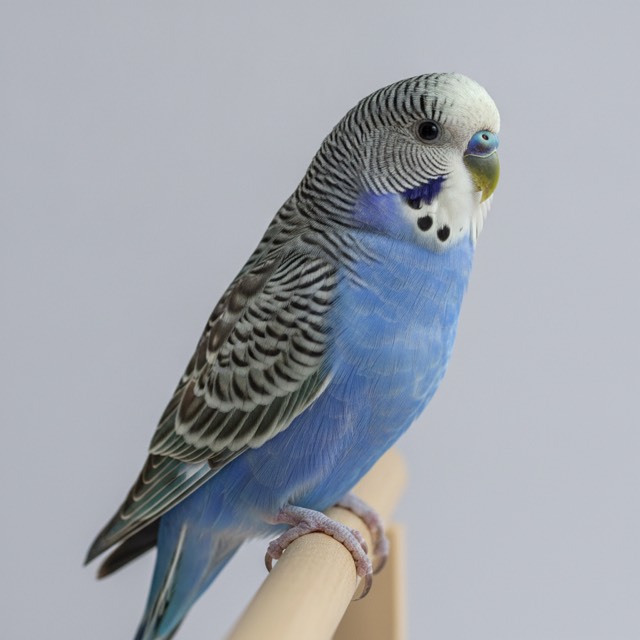
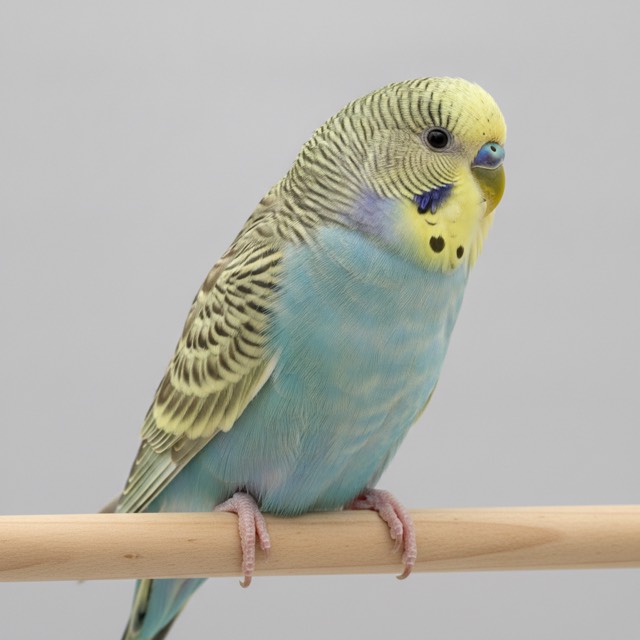
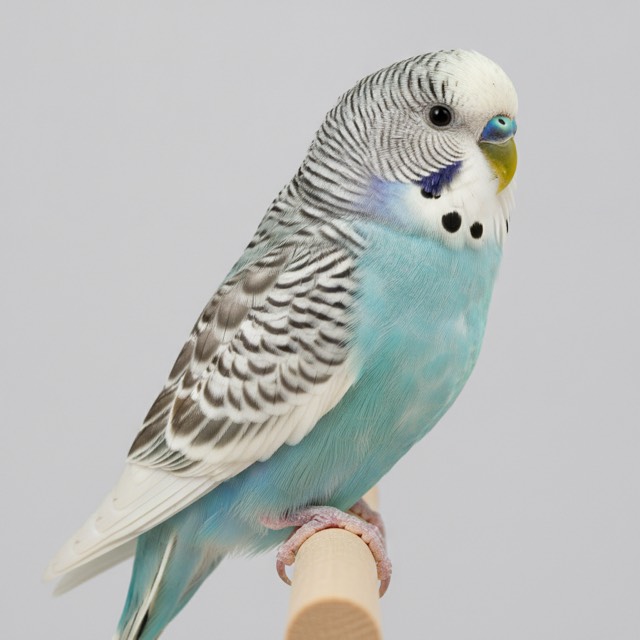
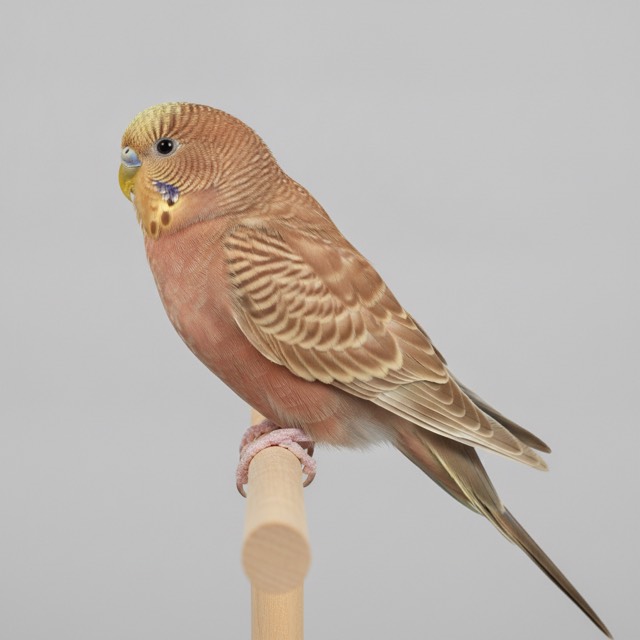
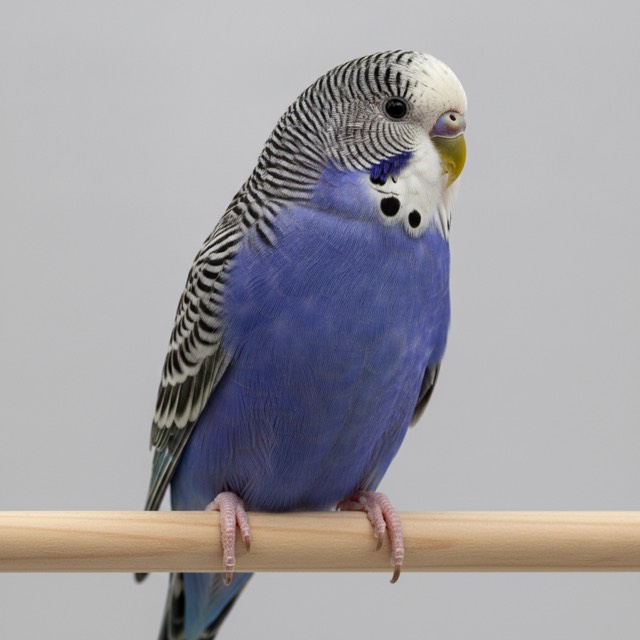
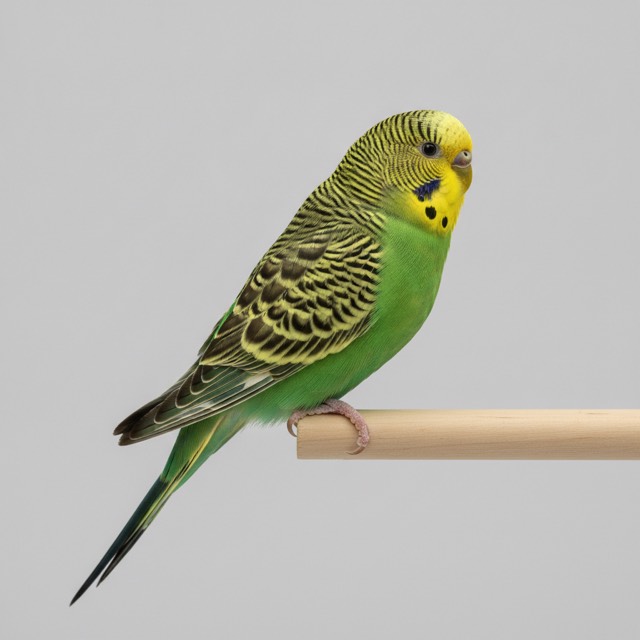
Every bird carries its band, colour, sex and status. Birds without a photo of their own are drawn from their recorded colour.
This is the actual flock screen. Birds without a photo of their own are drawn from their recorded colour, so the aviary looks like your aviary from day one.
Breeders typically evolve through three stages of record keeping. Understanding the limitations of each helps you choose the right system for your current needs and avoid outgrowing your tools mid-season.
Many breeders start with handwritten notes — a notebook for each breeding season, index cards for each bird, or a binder with printed bird breeding log templates. Paper records are simple and require no technology, but they have serious limitations that compound as your flock grows. A printable bird breeding log template might feel organized at first, but cross-referencing parentage across seasons quickly becomes impractical.
Spreadsheets are a significant upgrade from paper. They allow searching, sorting, and basic calculations. Many breeders create elaborate spreadsheet systems with multiple tabs for birds, pairs, clutches, and health records. However, spreadsheets have their own limitations that become painful as your data grows beyond a single breeding season.
Purpose-built avian record keeping software solves all the limitations of paper and spreadsheets. BirdTracks is designed specifically for bird breeders and handles the complexities that generic tools cannot. It replaces static bird breeding log templates with dynamic, linked records that grow with your program.
BirdTracks is built specifically for bird breeders who need reliable, accessible, and comprehensive breeding data management without the complexity of spreadsheets or desktop databases. Here is what it handles for you.
All your birds, pairs, clutches, and records in one place. No more scattered notebooks, multiple spreadsheets, or lost sticky notes.
Find any bird by band number, name, mutation, or status in seconds. Filter your flock by species, sex, age, or any other attribute.
See the complete history of every bird: when it was born, who its parents are, every clutch it has produced, and every health event.
Automatic calculations for fertility rates, hatch rates, chick survival, and pair productivity. No formulas to write or maintain.
Your data is automatically backed up to the cloud. Access your records from any device — phone, tablet, or computer.
Already have records in Excel or Google Sheets? Import them into BirdTracks in minutes. No need to re-enter years of data manually.
If you exhibit birds at shows or compete in breeding competitions, thorough records are not just helpful — they are required. Show organizations expect breeders to document lineage, verify captive-bred status, and prove that birds meet the standards for their species and mutation class. Without organized records, you risk disqualification or being unable to enter birds that you worked hard to produce.
Most show classes require you to demonstrate that a bird was captive-bred and to provide its parentage. A multi-generation pedigree proves lineage and helps judges assess breeding quality. BirdTracks generates pedigrees automatically from your existing records, so you never have to build one by hand before a show deadline.
Closed bands or rings are the standard proof that a bird was bred in captivity and banded as a chick. Your records should link each band number to a specific bird profile, its parents, and its hatch date. When a show steward checks your entry, you need this information readily available — not buried in a pile of notebooks back home.
Recording which birds placed at which shows helps you evaluate your breeding program against external standards. Over time, you can identify which bloodlines consistently produce show-quality offspring and adjust your pairings accordingly. Tracking show results alongside breeding records gives you a complete picture of your program's competitive performance.
Selling captive-bred birds comes with legal obligations that vary by species and jurisdiction. In many countries, breeders must maintain specific records and provide documentation to buyers. Poor record keeping does not just hurt your program — it can expose you to fines or license revocation.
Digital record keeping makes compliance straightforward. When you track every bird from hatch to sale in a system like BirdTracks, generating the documentation a buyer or inspector needs takes seconds instead of hours. You can pull up a bird's complete history, print or share a pedigree, and demonstrate that your records are current and accurate. Buyers also pay more for birds that come with thorough documentation — it signals professionalism and builds trust.
Clubs and avicultural societies set their own bar too. Many require members to keep a stud book, and some ask for documented pedigrees going back three or more generations before a bird can be shown or registered. If parentage is recorded as each chick hatches, that pedigree already exists when you need it.
The fundamentals apply to every species, but what matters most in the log changes with the bird you keep.
Large flocks, fast breeding cycles and several clutches a season, with complex colour genetics. Recording split mutations is what lets you predict offspring colours, and band numbers are essential for show birds.
Long incubation, slow maturation and often DNA sexing. These birds can breed for decades, so health history and pair-compatibility notes matter when re-pairing after a mate loss. CITES paperwork is frequently required.
Breeders often select for song, feather type or colour, so show results and song scores belong next to the breeding data. Small bodies mean small weight changes are an early health signal worth logging.
Racing, show and fancy lofts tie loft assignments, race results and standard evaluations back to lineage. Clutches are a consistent two eggs, which makes fertility and hatch rate per pair easy to compare.
Ask any breeder with a decade of experience what they would do differently, and the answer almost always involves record keeping. Here are the data points that breeders most commonly regret not tracking from the beginning.
Many breeders track how many eggs hatch but fail to follow through on how many chicks survive to weaning. A pair that produces large clutches but loses half the chicks before weaning is not actually a productive pair. Tracking survival rates per pair reveals which birds are reliable parents and which need supplemental feeding or should be retired.
An infertile clutch can be a fluke. Three infertile clutches in a row from the same male is a pattern. Without records that track fertility outcomes by individual bird across multiple pairings, you cannot tell the difference. Breeders who track this data catch fertility problems early and avoid wasting an entire season on unproductive pairs.
Recording chick weights at regular intervals creates a growth curve that helps you spot problems early. A chick that falls off the expected growth curve may need hand-feeding intervention. Over time, weight data also helps you identify which pairs produce larger, healthier chicks — useful information for improving your stock.
Light cycles, temperature changes, diet adjustments, and nest box introductions all affect breeding outcomes. Breeders who note these environmental factors alongside their clutch records can identify what triggers breeding condition and what disrupts it. This data becomes invaluable for timing your breeding season and optimizing conditions.
The common thread is simple: you cannot analyze data you never recorded. Starting with a comprehensive system like BirdTracks means you capture this information from day one, even if you do not realize its value until years later.
Whether you are starting from scratch or migrating from paper and spreadsheets, here is how to set up an effective digital record keeping system that scales with your program.
Start by creating a profile for every bird currently in your aviary. Include band numbers, species, sex, mutation, and known parentage. If you have birds with unknown parents (purchased as adults, for example), that is fine — enter what you know and mark the rest as unknown. You can use BirdTracks' spreadsheet import feature to bulk-import birds from an existing Excel file, which saves hours of manual entry.
Create pair records for any birds currently paired for breeding. Link the male and female to their individual profiles. If a pair is currently sitting on eggs, create a clutch record and log the eggs. Going forward, every new clutch should be recorded as it happens.
The key to accurate records is consistency. Make it a habit to update your records during your daily bird room routine. When you check nests, log any new eggs, hatches, or chick observations immediately. Spend 5 minutes at the end of each bird room visit updating records while the information is fresh. Delayed record keeping leads to forgotten details and inaccurate data.
Document everything — including failures. Dead-in-shell eggs, abandoned clutches, chicks that did not survive, and infertile pairs are all valuable data. A pair with a consistent pattern of infertile eggs needs to be separated and re-paired. A bloodline that produces weak chicks across multiple pairings should be evaluated carefully. Without records, these patterns remain invisible.
At the end of each breeding season, review your records. Which pairs performed best? Which mutations appeared? What was your overall fertility rate and chick survival rate? Use this analysis to plan next season's pairings, retire underperforming birds, and set goals for your program. BirdTracks provides dashboards and statistics that make this analysis straightforward — no manual number crunching required.
At minimum, keep records for every individual bird (band number, species, sex, hatch date, parentage, mutation), every breeding pair (date paired, cage location, compatibility notes), every clutch (eggs laid, fertility, hatch dates, chick survival), health events (vet visits, illnesses, treatments), and financial transactions (sales, expenses, feed costs). The more detail you capture, the better your breeding decisions become over time.
Spreadsheets work for small collections but become unmanageable as your program grows. They cannot automatically link parent-offspring relationships, generate pedigrees, calculate inbreeding coefficients, or provide mobile access in the bird room. Dedicated avian record keeping software like BirdTracks handles all of these tasks and scales with your flock without the formula breakage and version conflicts that plague spreadsheets.
Start by entering your current active birds into the digital system. Then add active breeding pairs and any in-progress clutches. You do not need to digitize every historical record at once — focus on the current season, then backfill older data as time permits. BirdTracks offers a spreadsheet import feature that lets you bulk-import birds from an existing Excel or CSV file, making the transition faster.
Requirements vary by jurisdiction, but most regions expect sellers to maintain records of the bird's species, band or ring number, date of birth or acquisition, parentage if captive-bred, sale date, and buyer contact information. Some species require CITES documentation or government permits. Keeping thorough digital records ensures you can produce documentation on demand if inspected.
BirdTracks is purpose-built avian record keeping software that centralizes all your breeding data in one cloud-based platform. It automatically links parents to offspring, generates multi-generation pedigrees, calculates inbreeding coefficients, tracks clutch outcomes and health events, and provides breeding statistics. It works on any device so you can update records directly from the bird room.
A bird breeding log template is a structured form or document used to record breeding activity. It typically includes fields for the pair (male and female band numbers), clutch start date, number of eggs, candling results, hatch dates, chick band numbers, weaning dates, and outcome notes. While paper templates exist, digital tools like BirdTracks replace static templates with dynamic records that link to your full database and update automatically as you log new events.
Every season without proper records is data you can never recover. BirdTracks gives you a complete avian record keeping software platform built by breeders, for breeders. Sign up free, import your existing data, and start making better breeding decisions backed by real data — not guesswork.
Sign Up Free — No Credit Card RequiredFree plan available. Import your spreadsheet data in minutes.
Join 500+ breeders who've switched from spreadsheets to BirdTracks. Start free and see the difference in minutes.
Start Free TodayFree 30-day trial — no credit card required