Canary Breeding Guide
Song, Color & Type
This canary breeding guide covers everything you need to know about how to breed canaries successfully, whether your focus is song quality, color genetics, or show-type conformation. Canaries have been bred in captivity for over 500 years, making them one of the oldest domesticated bird species and one of the most rewarding to work with.
From understanding canary breeding season triggers and conditioning your flock, to managing eggs, raising chicks, and navigating color factor genetics, this guide gives you the knowledge and practical steps to build a thriving canary breeding program. Pair it with BirdTracks to keep organized records of every bird, clutch, and pairing in your aviary.
Track Your Canary Breeding with BirdTracksTypes of Canaries: Song, Color, and Type Breeds
Canary breeding falls into three distinct specializations, each with its own judging standards, breeding strategies, and community of dedicated enthusiasts. Understanding these categories is the first step in any canary breeding guide, because the type of canary you breed determines your pair selection criteria, your conditioning approach, and the traits you prioritize in offspring.
Most breeders focus on one category, though the foundational principles of pair selection, nesting, and chick care apply across all three. Some advanced breeders cross categories intentionally — for example, breeding a color canary line with improved type, or selecting song canaries that also carry desirable color genetics.
Canary Color Breeding
Color canary breeding focuses on producing birds with specific plumage colors and feather types. The basic ground colors are yellow (lipochrome) and melanin-based (green, brown, agate, isabel). Red factor canaries are among the most popular, bred for their vibrant red-orange coloring achieved through genetics and color feeding with carotenoid-rich diets. Color breeding involves understanding two independent pigment systems: melanin (which creates dark patterns) and lipochrome (which creates background color). Mosaic canaries display color only in specific feather tracts, creating a distinctive patchy appearance.
Within color canaries, breeders further classify birds by feather type (intensive or schimmel), ground color (yellow, red, white dominant, white recessive), and melanin variant (classic, brown, agate, isabel, pastel, opal, onyx, cobalt, jaspe, and others). Each combination produces a distinct visual phenotype, and competitive color canary breeders aim to produce birds with pure, even coloring that meets the standard for their category. Record keeping is essential in color breeding because many traits are carried recessively — a bird may appear yellow but carry genes for white ground color, red factor, or specific melanin dilutions that only appear in offspring.
Song Canary Breeding
Song canary breeding selects for vocal quality and specific song patterns. Only male canaries sing, so breeding focuses on producing males with superior song. The major song breeds include the Roller (soft, low rolling notes with closed beak), the Waterslager (also called Malinois, known for water-like bubbling notes), the Timbrado (Spanish origin, loud metallic notes), and the American Singer (a hybrid breed combining Roller song quality with Border canary type).
Song is partly genetic and partly learned — young males learn by listening to adult tutors, which is why song canary breeders carefully manage which adult males are housed near developing youngsters. Roller breeders, for instance, place young males in song cabinets (small, dimly lit enclosures) with a trained tutor bird to shape their repertoire. Song competitions judge males on tour quality, variety, and the absence of faults (harsh or dissonant notes). A well-bred Roller or Waterslager male can command significant prices, making song canary breeding both an art and a serious pursuit. BirdTracks lets you attach song quality notes to each male's profile so you can track which bloodlines produce the best singers across generations.
Type Canary Breeding
Type canaries are bred for physical conformation — size, shape, feather structure, and posture. Popular type breeds include the Gloster (small, with or without a corona crest), the Yorkshire (tall and upright), the Border (smooth and compact), the Fife (a smaller version of the Border), the Norwich (large and round), and the crested canary. Each breed has a specific standard that judges score against in shows.
Type breeding requires an eye for subtle physical differences and careful selection of pairs that complement each other's strengths and weaknesses. For example, if a Border canary hen has slightly long feathering, pairing her with a tight-feathered male can improve the offspring. Frilled canary breeds (Parisian Frill, Gibber Italicus, Padovan) add another dimension by selecting for specific feather curl patterns. Type canary breeders rely heavily on pedigree records and show results to guide their breeding decisions, making a tool like BirdTracks invaluable for tracking lineage and conformation notes season after season.
Canary Breeding Season: Triggers and Timing
Unlike budgies and many finch species that will breed opportunistically year-round in captivity, canaries are photoperiod-sensitive seasonal breeders. The canary breeding season in the Northern Hemisphere naturally runs from approximately March through July, triggered primarily by increasing daylight hours in spring. Understanding these seasonal triggers is critical for any breeder learning how to breed canaries reliably.
As day length increases past roughly 12 hours, hormonal changes begin in both males and females. Males start singing more intensely and persistently, their testes enlarge, and they become more territorial. Females begin seeking nesting material, their abdomen swells slightly as the ovary develops, and they may crouch on the perch in a solicitation posture. These changes do not happen overnight — they develop over several weeks as photoperiod gradually increases.
Most experienced breeders control the light cycle artificially to start conditioning birds earlier and to synchronize the flock. Beginning in late January or early February, they gradually increase lighting from the natural winter photoperiod (roughly 9-10 hours) to 14 hours of light per day over the course of 3 to 4 weeks. This steady increase mimics the natural spring progression and triggers hormonal readiness. Abrupt changes in light duration should be avoided, as they can stress the birds or trigger an out-of-season molt.
Temperature also plays a supporting role. Canaries breed best at moderate room temperatures between 60 and 75 degrees Fahrenheit (16-24 degrees Celsius). Extremely high temperatures reduce fertility, and cold temperatures cause the birds to divert energy toward staying warm rather than reproduction. A stable, draft-free environment with consistent lighting and temperature gives you the best foundation for a successful canary breeding season.
Conditioning Canaries for Breeding
Conditioning is the process of preparing your canaries physically and nutritionally for the demands of breeding. It begins 3 to 4 weeks before you plan to pair your birds and runs parallel with the gradual increase in photoperiod. Proper conditioning is one of the most important factors in achieving fertile eggs, healthy chicks, and a productive breeding season.
Canary Breeding Diet
The breeding diet is richer and more varied than the maintenance diet. Start introducing egg food (commercial canary egg food or hard-boiled egg mixed with dry breadcrumbs) 3 to 4 times per week, gradually increasing to daily as pairing approaches. Add fresh greens such as broccoli, dandelion leaves, watercress, kale, and sprouted seeds. These provide vitamins, minerals, and the protein boost that both sexes need for reproductive health.
Cuttlebone or a calcium block must be available at all times. Calcium is critical for the hen to form strong eggshells — calcium-deficient hens produce thin-shelled eggs that crack easily or suffer from egg binding, a potentially fatal condition. For red factor canaries, begin color feeding with canthaxanthin or beta-carotene supplements during the conditioning period so that pigments are present in the hen's system when chicks begin growing their first feathers.
Signs of Breeding Condition
A male canary in breeding condition sings loudly and almost continuously. He may feed the cage bars, a mirror, or even the hen through the divider. His vent area becomes slightly swollen and protrudes when gently blown on. A hen in breeding condition begins actively tearing at paper, feathers, or any soft material she can reach — this nesting instinct is the clearest sign that she is ready. She may also crouch low on the perch with a slightly raised tail and produce soft calling sounds.
Do not pair birds that are not yet showing these signs. Premature pairing is one of the most common mistakes new canary breeders make and leads to infertile eggs, fighting, or the hen ignoring the nest entirely. Patience during conditioning pays off with better fertility and calmer breeding pairs. Use BirdTracks to log when each bird enters breeding condition so you can identify patterns and plan your pairing schedule accordingly.
How to Breed Canaries: Selecting Breeding Pairs
Canary pair selection depends heavily on your breeding goals, but several universal principles apply whether you are breeding for song, color, or type. Here are the key factors every canary breeder should evaluate.
Health and Condition
Breeding canaries must be in peak health. Both the cock and the hen should be active, singing (males), eating well, and have completed their annual molt. Canaries that are still molting should never be bred — the physiological demands of molting and breeding simultaneously can be fatal. Look for tight, glossy feathering, clear eyes, and a clean vent. Hens that have had egg binding issues should be given extra calcium and monitored closely or retired from breeding.
Age Considerations
Canaries can begin breeding at around 10 to 12 months of age, though many breeders prefer to wait until the bird is at least one year old and has completed its first adult molt. Hens remain productive breeders until around age 4 to 5, while males can remain fertile somewhat longer. First-year hens are often paired with experienced males, and vice versa, so that at least one bird in the pair knows the routine. Avoid breeding birds that are too young or too old, as fertility declines and complications increase at both extremes.
Sexing Canaries
Male canaries are generally easy to identify by their persistent, melodic singing. Females may chirp and call but do not produce the sustained, complex song of males. During breeding condition, the vent of a male canary protrudes slightly and appears elongated, while the female's vent is flatter and rounder. In color canaries, some mutations (like mosaic) also show sex-linked feather distribution patterns. When in doubt, singing is the most reliable behavioral indicator.
Feather Pairing Rules
Canaries have two feather types: buff (soft, wide feathering) and yellow (also called hard or intensive, with tight, narrow feathers). The golden rule of canary breeding is to always pair a buff bird with a yellow bird. Pairing two buff birds produces progressively coarser feathering with cysts. Pairing two yellow birds produces increasingly thin, sparse feathering over generations. This buff-to-yellow pairing rule applies regardless of whether you breed for color, song, or type.
Canary Nest Building and Nesting Setup
Canary nest building differs from most other cage birds. Canaries construct open cup nests rather than using enclosed nest boxes like parrots or finches. Providing the right nest pan, proper materials, and a suitable cage environment is essential for breeding success.
Breeding Cage
- Double breeding cage with removable divider (about 30" x 12" x 15")
- Wire divider lets birds see and hear each other before pairing
- One pair per cage — canaries are territorial during breeding
- Quiet location with consistent 14 hours of daylight
- Stable temperature between 60-75°F (16-24°C)
- Good air circulation without direct drafts
Nest & Materials
- Open cup nest pan (plastic or bamboo) — canaries do not use boxes
- Felt nest liner for the base of the cup
- Nesting material: burlap fibers, cotton, dried grass, soft string
- The hen builds the nest — provide ample material
- Mount the nest pan high in the cage using hooks or a holder
- Some breeders provide two nest pans in case the hen starts a second nest
The Pairing Process
Place the male on one side of the divider and the hen on the other. Let them interact through the wire for several days to a week. When the hen is actively nest building and the male is singing to her and attempting to feed her through the bars, remove the divider. Watch for smooth courtship — the male will sing, dance, and feed the hen. Mating typically occurs quickly once the divider is removed. If the male becomes overly aggressive or the hen is not receptive, replace the divider and try again in a few days. Never force a pairing with a bird that is not in breeding condition.
Canary Egg Incubation and Management
Canary egg incubation involves a unique management technique that synchronizes hatching across the entire clutch. This practice sets canary breeding apart from most other bird species and is a hallmark of experienced breeders.
Egg Laying & Dummy Eggs
Canary hens typically lay one egg per day, usually in the morning. A normal clutch is 3 to 5 eggs. Many experienced breeders remove each egg as it is laid and replace it with a plastic dummy egg. The real eggs are stored in a cool, padded container (room temperature, turned gently once daily). After the last egg is laid (usually the 4th or 5th day), all real eggs are returned to the nest simultaneously. This ensures all eggs begin incubation at the same time and hatch together, so all chicks are the same size and compete equally for food.
Canary Egg Incubation (13-14 Days)
Canary eggs hatch in approximately 13 to 14 days from the start of consistent incubation. The hen does all the incubating while the male feeds her on the nest. She will leave the nest only briefly to eat, drink, and defecate. If you are using the dummy egg technique, count the 13 days from when you returned the real eggs to the nest. Humidity levels in the room should be moderate — excessively dry air can cause membranes to toughen and make hatching more difficult. Log the return date in BirdTracks and the system will calculate expected hatch dates for you automatically.
Candling Canary Eggs
Candle eggs at days 5 to 7 of incubation. Canary eggs are small and delicate, so handle with extreme care. Use a small LED light and hold the egg gently. Fertile eggs show dark veins and an embryo. Infertile eggs appear clear. Remove infertile eggs to give the hen a lighter incubation load. If all eggs are infertile, check that the male is in breeding condition and that mating actually occurred — sometimes a divider was not removed in time.
Hatching
If you used the dummy egg technique, all chicks should hatch within 24 hours of each other. Newly hatched canary chicks are tiny, blind, and covered in sparse down. The hen feeds them immediately with softened food from her crop. Ensure the parents have abundant egg food and softened seed available as soon as hatching begins. Check the nest daily to confirm all chicks are being fed — look for rounded, pink crops visible through the translucent skin.
Tracking a canary clutch
Canary eggs hatch in roughly 14 days. Record the lay date and the candling and hatch dates are worked out for you.
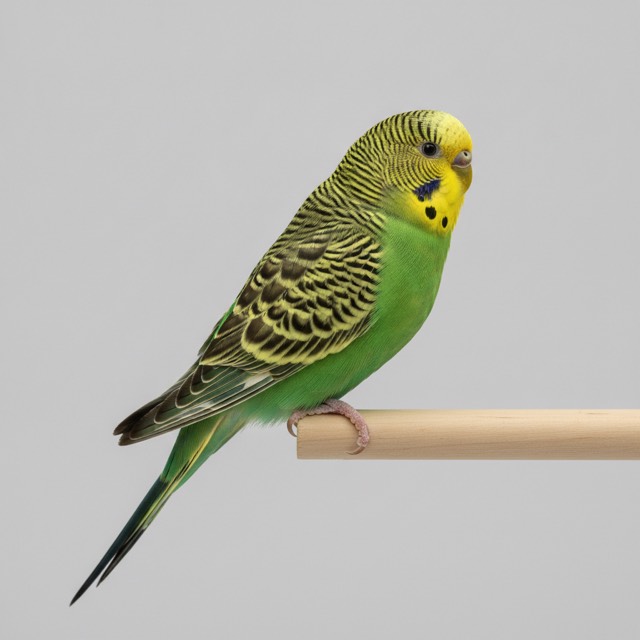
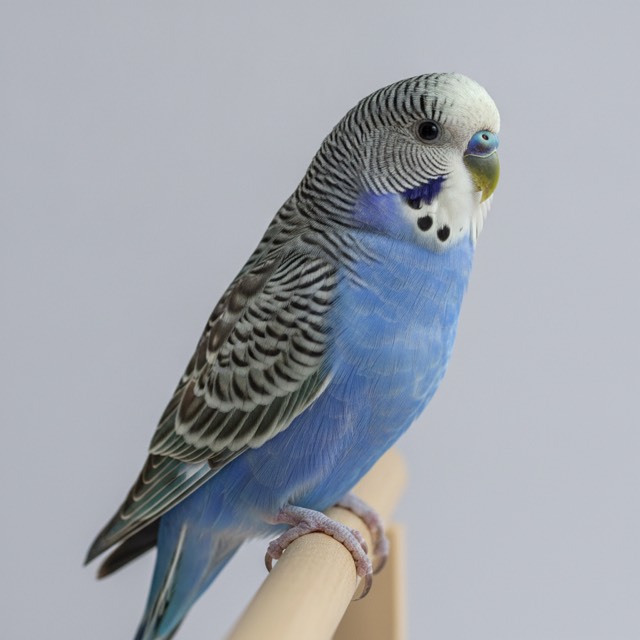
The status line is worked out from the clutch itself — eggs laid, how many were fertile, and the hatch date counted off the lay date. Nothing here is typed in twice.
Canary Chick Development
Canary chicks develop rapidly. Here are the key milestones from hatching to independence. Tracking each clutch's progress in BirdTracks helps you identify patterns and catch problems early across multiple breeding pairs.
Canary Color Factor Genetics Overview
Canary color breeding is governed by two independent pigment systems that interact to produce the visible plumage color. Understanding these genetics is essential for any breeder working with color canaries, and it also helps song and type breeders predict the color outcomes of their pairings.
Lipochrome (Ground Color)
Lipochrome pigment determines the background color of the canary. The three lipochrome ground colors are yellow, red (from the red factor gene originally introduced by hybridizing with the red siskin), and white. White comes in two forms: dominant white (which suppresses yellow pigment but may show faint yellow on the wing edges) and recessive white (which produces a pure, snow-white bird with no visible yellow). A bird must inherit recessive white from both parents to display the trait, while dominant white requires only one copy. These lipochrome colors are independent of the melanin system, meaning a canary can be yellow ground with melanin, red ground with melanin, or any combination.
Melanin (Pattern and Markings)
Melanin pigments create the dark striping and patterns visible in many canaries. The four classic melanin types are: black (the wild type, producing strong dark striations on the back and flanks), brown (a warmer, chocolate-toned version of the classic pattern), agate (a dilute form of black with narrower, crisper striations), and isabel (a dilute form of brown with soft, warm-toned markings). Beyond these classics, numerous melanin mutations have been established, including pastel, opal, onyx, cobalt, jaspe, eumo, and others. Each mutation modifies how melanin is deposited in the feather structure. Clear canaries (lipochrome birds with no visible melanin) are used in red factor and yellow color breeding where pure ground color is the goal.
Sex-Linked Inheritance
Several canary color traits are sex-linked, carried on the Z chromosome. In birds, males are ZZ and females are ZW. This means a female canary only needs one copy of a sex-linked gene to display it, while males need two copies. The red factor, mosaic pattern, and certain melanin dilutions (like agate and isabel) follow sex-linked inheritance. This creates predictable pairing outcomes: for example, pairing a brown male with a classic black female will produce all classic males (carrying brown) and all brown females. Tools like BirdTracks help breeders track these genetics across generations and predict the expected offspring ratios for planned pairings.
Canary Colour Mutations
The 3 mutations you are most likely to meet, and how each one is passed on. Every bird below is an illustration of that mutation, not a photograph of a specific bird.
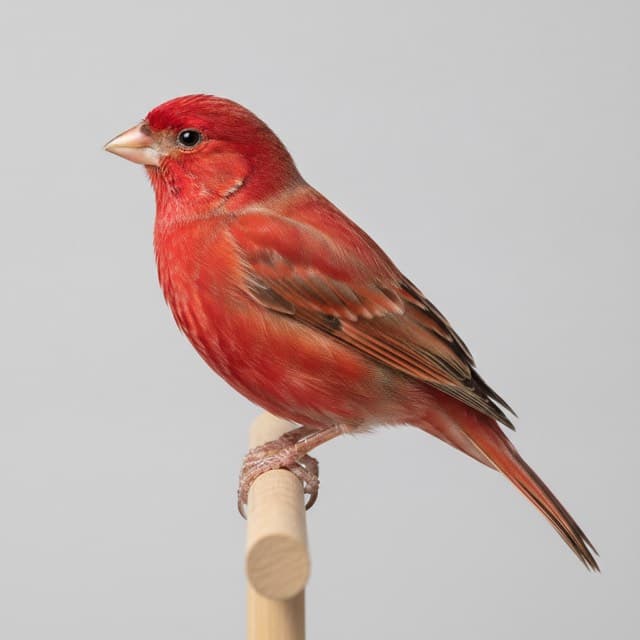
Red Factor
Co-dominant
Red/orange ground color from siskin hybridization
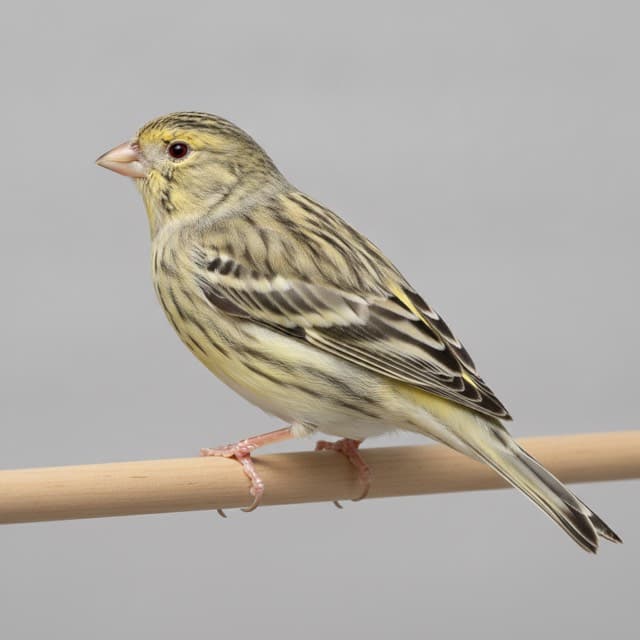
Agate
Sex-linked
Reduced/diluted melanin pattern
Isabel
Sex-linked
Brown melanin replacing black
Want to see what a pairing of two of these would throw? Try the free genetics calculator — it draws every predicted chick.
Color Feeding Red Factor Canaries
Red factor canaries are unique in aviculture because their vibrant red-orange color depends on both genetics and diet. The red factor gene gives the bird the ability to metabolize carotenoid pigments and deposit them in feathers, but the pigments must be present in the diet during feather growth.
Without color feeding, a red factor canary will appear orange or pale salmon rather than deep red. Color feeding involves adding carotenoid supplements (canthaxanthin or beta-carotene) to the bird's diet, either mixed into egg food or dissolved in drinking water. Color feeding must begin before the annual molt and continue throughout the molting period, as pigment is deposited only during feather growth. Once a feather is fully grown, its color is fixed until the next molt.
It is important to note that color feeding enhances genetically red birds — it does not turn yellow canaries red. Only birds carrying the red factor gene will respond to color feeding. Excessive color feeding of yellow canaries can produce an unnatural orange tint that is penalized in shows. Track which birds are red factor in BirdTracks so you know which ones to color feed during molt season.
Common Canary Breeding Problems
Canaries present some unique breeding challenges. Recognizing these common canary breeding problems early and knowing how to respond is what separates experienced breeders from beginners.
Hen Not in Condition
If the hen builds a nest but does not lay, she may not be in full breeding condition. Ensure she is getting 14 hours of daylight and has been on the breeding diet for at least 3 weeks. Some hens need more conditioning time than others. Seeing and hearing a singing male through the cage divider can help stimulate the hen into breeding condition. Do not pair them until the hen is actively building and lining her nest.
Egg Binding
Egg binding occurs when a hen cannot pass an egg. Signs include the hen sitting fluffed up on the cage floor, straining, and appearing lethargic. This is a veterinary emergency. Immediate first aid includes placing the hen in a warm, humid environment (a small hospital cage at about 85 degrees Fahrenheit) and providing a drop of mineral oil near the vent. Prevention is far better than treatment: ensure adequate calcium supplementation throughout the breeding season, avoid breeding hens that are too young or in poor condition, and never breed a hen that is still molting.
Male Aggression
Some male canaries become aggressive toward the hen or chicks. If the male is harassing the hen while she is incubating, replace the cage divider so he can still feed her through the bars but not physically reach her. Some breeders remove the male entirely after mating and let the hen raise the chicks alone. She is capable of solo parenting, though it is more work for her.
Feather Cysts
Feather cysts are a hereditary condition where feathers grow inward under the skin instead of emerging normally. They are most common in buff-to-buff pairings and in certain breeds (notably the Norwich and Gloucester). There is no cure — affected birds need cysts surgically removed. Prevention through proper buff-to-yellow pairing is essential. Track feather cyst occurrences in BirdTracks and avoid breeding from affected birds or their parents.
Lethal Crest Gene
In crested canary breeds (Gloster Corona, Crested), the crest gene is semi-lethal when homozygous. Pairing two crested birds together produces approximately 25% homozygous offspring that die in the shell or shortly after hatching. Always pair a crested bird (corona) with a non-crested bird (consort). This is one of the most important genetic rules in canary breeding and a classic example of why genetic tracking matters.
Hen Plucking Chicks
Some hens begin plucking feathers from their chicks, usually when they are ready to start a second nest while the first brood is still in the nest. This is driven by hormones rather than malice. The best solution is to provide a second nest pan so the hen can begin building a new nest without disturbing the chicks. If plucking is severe, move the chicks to a separate cage and hand-feed or foster them with another hen. Record plucking behavior in BirdTracks — hens that repeatedly pluck may not be suitable breeding candidates.
Tracking Your Canary Program with BirdTracks
Canary breeding programs benefit enormously from organized digital record keeping. Whether you are managing a handful of pairs or a large aviary with dozens of breeding cages, BirdTracks gives you the tools to stay organized and make data-driven breeding decisions.
Complete Bird Profiles
Record each canary’s band number, breed, feather type (buff/yellow), color, song quality notes, and full pedigree.
Pair Planning
Plan pairings based on feather type, color genetics, and lineage. BirdTracks helps you avoid buff-to-buff pairings automatically.
Egg & Hatch Tracking
Log egg lay dates and dummy egg swaps. BirdTracks calculates 13-day hatch dates from when real eggs are returned to the nest.
Color Genetics
Track melanin types, lipochrome colors, red factor status, and mosaic patterns. Plan color crosses with confidence.
Health & Issue Tracking
Record feather cysts, egg binding incidents, and other health events. Identify bloodlines prone to problems.
Season Management
Track your entire breeding season: conditioning dates, pairing dates, clutch progress, and fledgling counts.
Canary Breeding FAQ
Answers to the most frequently asked questions about how to breed canaries, covering timing, genetics, incubation, feeding, and common concerns.
How long does it take for canary eggs to hatch?
Canary eggs hatch in approximately 13 to 14 days from the start of consistent incubation. If you use the dummy egg technique (removing eggs as they are laid and returning them all at once), count from the day you return all real eggs to the nest. The hen incubates the eggs almost continuously, leaving the nest only briefly to eat and drink. BirdTracks can automatically calculate your expected hatch date when you log the incubation start date.
What is the best time of year to breed canaries?
The natural canary breeding season runs from March through July in the Northern Hemisphere, triggered by increasing daylight hours. Most breeders begin conditioning their birds in February by gradually extending artificial light to 14 hours per day and introducing an enriched breeding diet with egg food, fresh greens, and extra calcium. Attempting to breed outside this window without proper light management usually results in poor fertility.
Can you breed two crested canaries together?
No. The crest gene in canaries is semi-lethal when homozygous. Pairing two crested birds (corona x corona) results in roughly 25% of offspring dying in the shell or shortly after hatching due to skull deformities. The correct pairing is always corona (crested) x consort (non-crested). This produces approximately 50% crested and 50% non-crested offspring, all of which are healthy.
Why are my canary eggs infertile?
Common causes of infertile canary eggs include the male not being in full breeding condition, the pair failing to mate (sometimes the cage divider was left in place too long or removed too early), obesity reducing fertility in either bird, the male being too old or too young, and environmental stress such as temperature extremes or disturbances. Ensure both birds have been conditioned with 14 hours of light and a proper breeding diet for at least three weeks before pairing. If infertility persists, try a different male.
What is the difference between buff and yellow feather types in canaries?
Buff canaries have soft, wide feathers with a frosted or mealy appearance at the tips, which gives them a larger, slightly fluffier look. Yellow canaries (also called intensive or hard feather) have tight, narrow feathers with color extending fully to the feather tips, producing a sleek, vibrant appearance. The foundational rule of canary breeding is to pair buff with yellow. Buff-to-buff pairings degrade feather quality over generations and increase the risk of feather cysts, while yellow-to-yellow pairings produce thin, sparse plumage.
Do I need to color feed my canary?
Color feeding is only necessary for red factor canaries. These birds carry a gene that allows them to convert dietary carotenoid pigments into feather color, but the pigments must come from supplements (canthaxanthin or beta-carotene) added to their food or water. Without color feeding, red factor canaries appear pale orange or salmon. Yellow and white canaries should never be color fed, as it can produce an off-tone tint that judges penalize in competition.
How do I know when my canaries are ready to breed?
A male in breeding condition sings loudly and almost non-stop, sometimes feeding the cage bars or attempting to feed the hen through the divider. A hen in condition actively tears at paper or nesting material, crouches on the perch with a slightly raised tail, and may make soft begging calls. The vent area becomes slightly swollen in both sexes. Do not remove the cage divider until both birds show clear signs of readiness — premature pairing leads to infertile eggs, aggression, or disinterest.
Ready to Organize Your Canary Breeding Program?
BirdTracks is the breeding record-keeping tool built for aviculturists. Track every bird, pairing, clutch, and hatch in one place. Log color genetics, feather types, band numbers, song quality notes, and health records. Whether you breed color canaries, song canaries, or type canaries, BirdTracks helps you make smarter breeding decisions season after season. Sign up free and start building your digital aviary today.