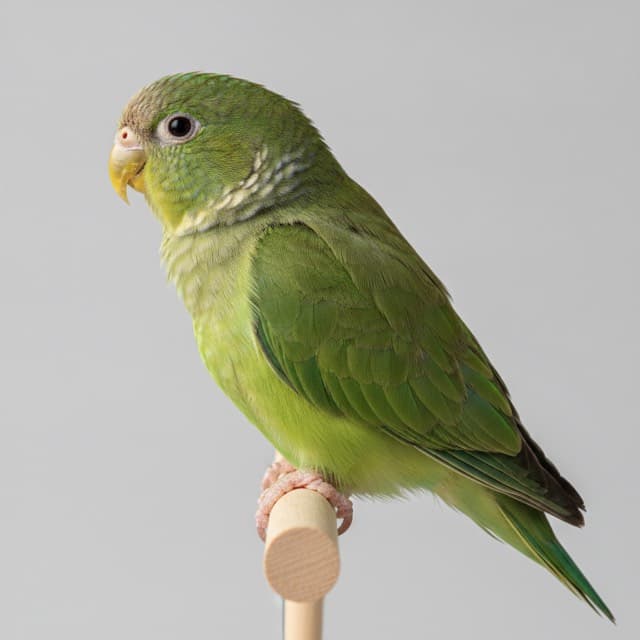
Parrotlet Care Sheet
Incubation figures, feeding by life stage, and the things that actually go wrong with this species — on one page.
Read the full parrotlet breeding guide →- Incubation
- 19 days
- Incubator
- 99.3–99.5°F
- Humidity
- 50–55%
- Lockdown
- 65–75%
Parrotlet Incubation
Forced-air figures. A still-air incubator runs about 101–102°F measured at the top of the egg — setting 99.5°F at the wrong height is one of the most common causes of a full-term chick that never pips.
| Where | Temperature | Humidity |
|---|---|---|
| Incubator | 99.3–99.5°F · 37.4–37.5°C | 50–55% |
| Last 3 days | unchanged — stop turning | 65–75% |
| Breeding room | 68–80°F · 20–27°C | 50–65% |
The honest check on humidity is not the hygrometer — it is the scale. An egg should lose roughly 13–15% of its lay weight by the time it pips. Too little loss means the air is too wet; too much means too dry.
Feeding Parrotlets
What the diet should be day to day, and what changes when a pair goes down to breed.
Every day
Pellets for around 60% of intake with a small-parrot seed mix alongside.
Fresh food
Greens, vegetables and sprouted seed daily — parrotlets are small and benefit from nutrient-dense fresh food.
While breeding
Cuttlebone always available; egg food two or three times a week.
Feeding chicks
Egg food daily plus constant calcium.
What goes wrong with parrotlets
- Tiny body mass means a parrotlet goes downhill fast if it stops eating — never let food run out.
- Extremely bold for their size and will fight birds much larger; house pairs separately.
Parrotlet Colour Mutations
The 4 mutations you are most likely to meet, and how each one is passed on. Every bird below is an illustration of that mutation, not a photograph of a specific bird.
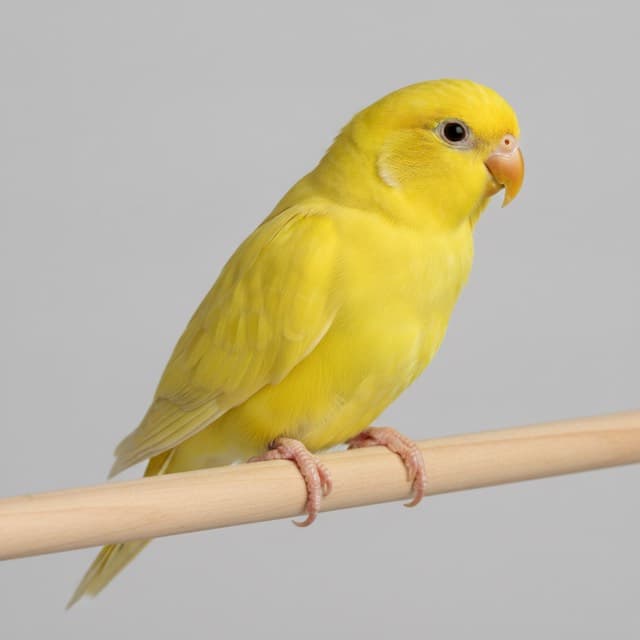
American Yellow
Recessive
Diluted green producing bright yellow plumage
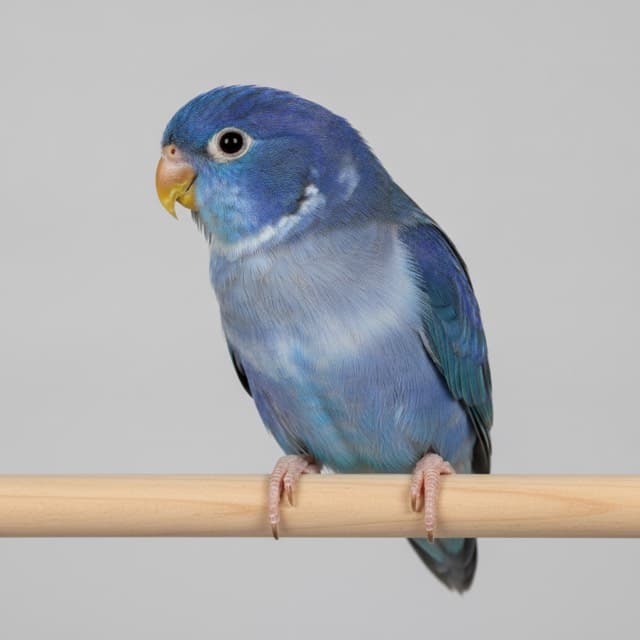
Blue
Recessive
Removes psittacin, turning green to blue. Most common parrotlet mutation
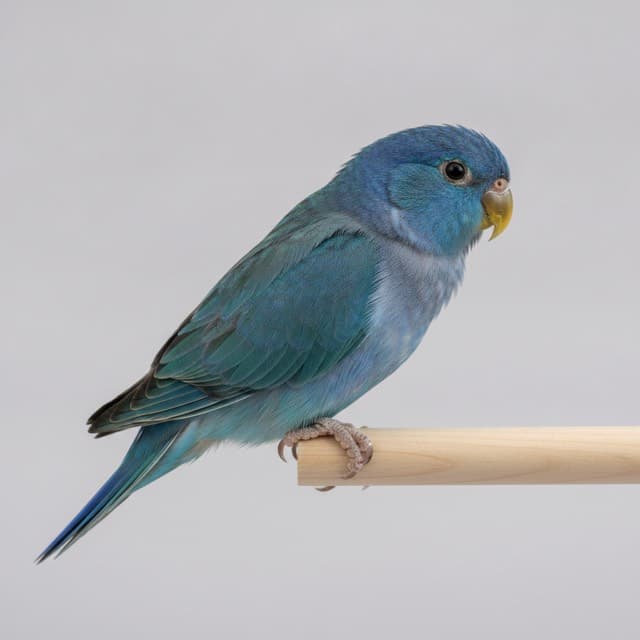
Turquoise
Recessive
Partial reduction of psittacin producing turquoise/aqua tones
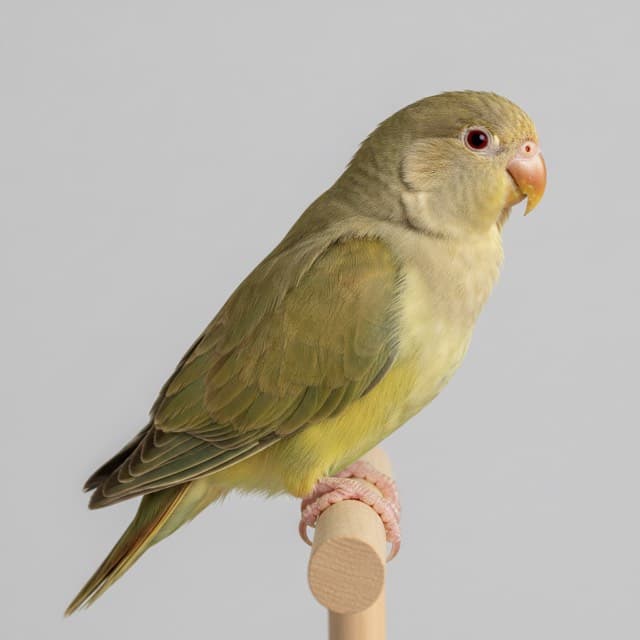
Fallow
Recessive
Reduced melanin with red/ruby eyes and warm-toned plumage
Want to see what a pairing of two of these would throw? Try the free genetics calculator — it draws every predicted chick.
General guidance used by breeders, not veterinary advice. Conditions vary by climate, setup and individual bird — watch your birds first and consult an avian vet for anything health-related.
← All species care sheets